In today’s digital world, keeping data safe is a big deal. More and more things are online, and that means more chances for bad actors to try and get our information. Traditional security methods are good, but they’re not always enough against new kinds of attacks. That’s where blockchain technology and cybersecurity are starting to work together. Think of blockchain as a super secure digital notebook that’s shared among many people. It makes it really hard to change or fake anything written in it. This article looks at how this combination is changing how we protect information.
Key Takeaways
- Blockchain offers a decentralized way to secure data, meaning there isn’t one single point of failure that hackers can target.
- The unchangeable nature of blockchain records makes data tampering very difficult, which helps build trust in digital systems.
- Combining cybersecurity best practices with blockchain can lead to stronger protection for sensitive information through advanced cryptography.
- Blockchain technology has practical uses in areas like managing digital identities, securing devices, and creating reliable logs for audits.
- While not a complete replacement, blockchain can work with existing security tools to make overall defenses more robust against evolving cyber threats.
Understanding The Power Duo: Blockchain And Cyber Security
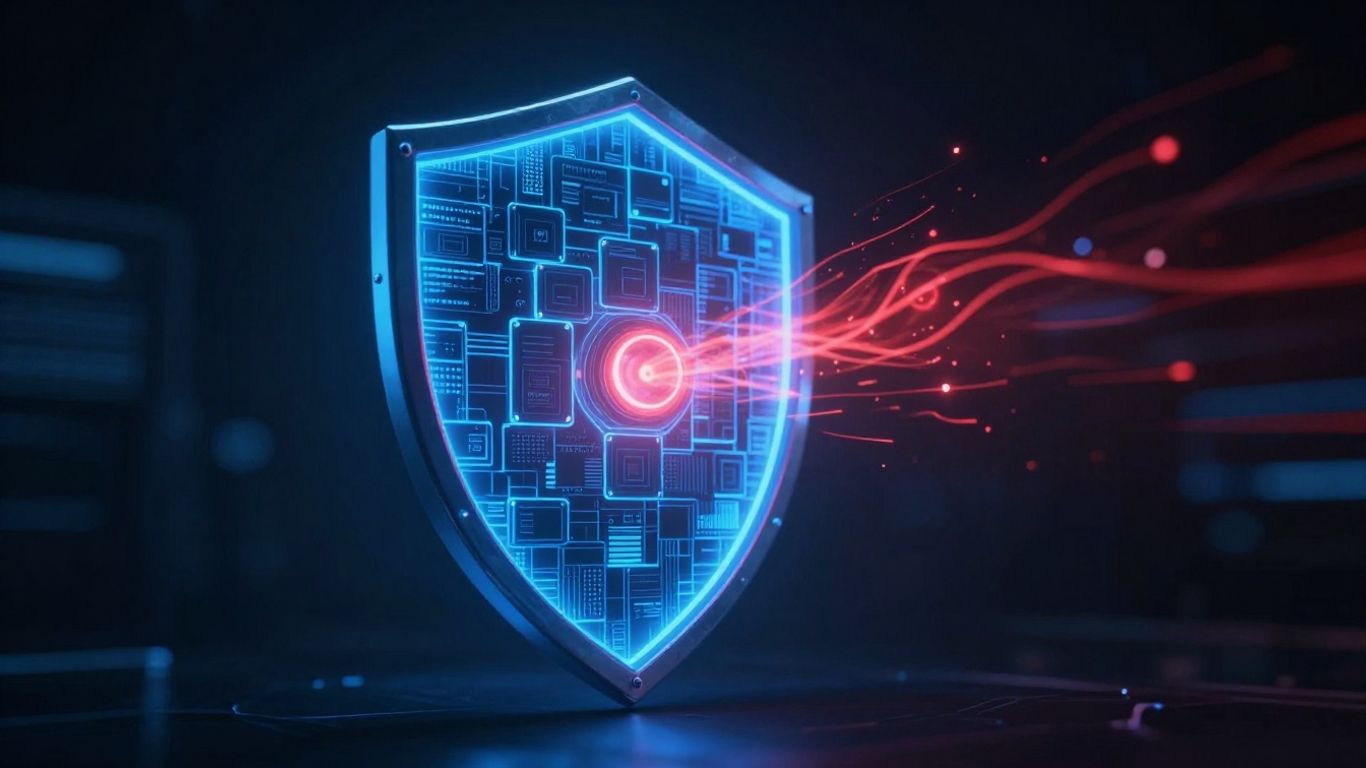
In today’s world, keeping our digital information safe is a really big deal. Everything we do online creates data, and unfortunately, there are always people looking for ways to get their hands on it. Traditional security methods have been around for a while, and they do a decent job, but they’re starting to show their limits against the really clever attacks we see now. This is where blockchain technology steps in, and it’s starting to change the game for how we protect ourselves online.
Think of blockchain like a digital ledger, but instead of one person holding it, copies are spread across many computers. This means there’s no single place for a hacker to attack and bring everything down. It’s like having a shared diary where every entry is locked in and witnessed by everyone, making it incredibly hard for anyone to sneak in and change something without everyone else noticing.
Decentralization: Eliminating Single Points Of Failure
One of the biggest problems with older systems is that they often rely on one central server or database. If that one spot gets compromised, the whole system can be in trouble. Blockchain flips this idea on its head. By spreading data across a network, it removes that single point of failure. If one computer on the network goes offline or is attacked, the others keep running, and the data remains safe and accessible. This makes the whole system much more resilient.
Immutable Data Integrity: A Tamper-Proof Foundation
Once information is added to a blockchain, it’s pretty much there forever and can’t be changed. Each new piece of data is linked to the one before it using complex math (cryptography), creating a chain. If someone tries to alter a past record, it breaks the chain, and everyone on the network can see that something’s wrong. This makes blockchain records incredibly trustworthy for things like audit trails or proving the authenticity of information.
Trustless Verification And Enhanced Authentication
Because blockchain is decentralized and transparent, it can help us verify things without needing a middleman we have to trust. For example, instead of relying on a company to manage your digital identity, blockchain can allow you to control it yourself, proving who you are in a secure and verifiable way. This can make logging into systems much safer, moving beyond simple passwords that are easily stolen or guessed. It builds a foundation of trust directly into the system itself.
Key Advantages Of Blockchain For Cyber Security
Fortifying Defenses With Distributed Ledgers
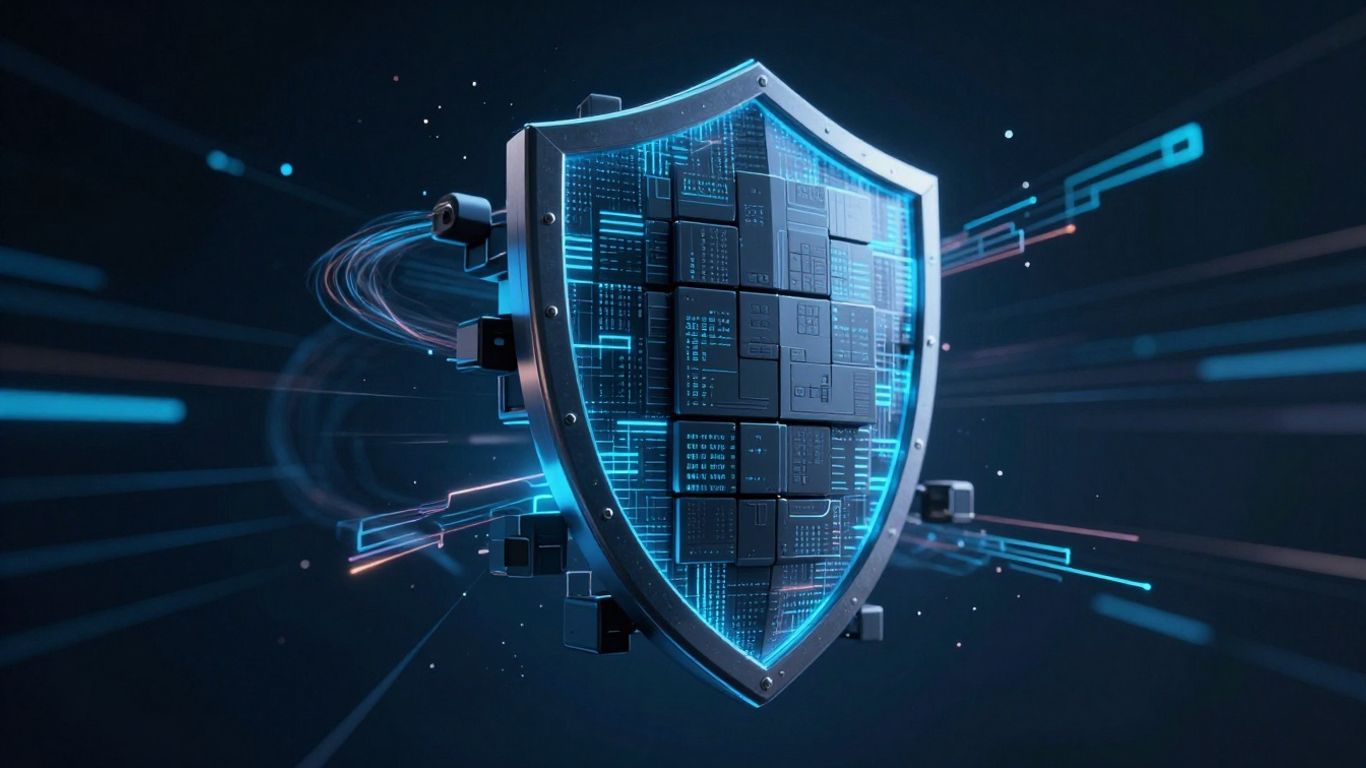
Think about how most computer systems work today. They often rely on a central server or database to store information and manage access. This setup, while common, creates a big target for attackers. If that one server gets compromised, everything is at risk. Blockchain flips this idea on its head. By spreading data across many computers, it removes that single point of failure. This decentralized approach makes it much harder for hackers to bring down a whole system. It’s like having many small guards instead of one big one – if one guard is distracted, the others are still watching.
- Reduced Vulnerability: Attacks targeting a single point are far less effective.
- Increased Uptime: The network can continue operating even if some nodes are offline or compromised.
- Resilience: The distributed nature helps systems recover more quickly from disruptions.
The distributed nature of blockchain means that data isn’t stored in just one place. This distribution makes it much harder for attackers to compromise the entire system by targeting a single point.
Securing Sensitive Information Through Cryptography
Cryptography is the backbone of blockchain security. Each transaction or data entry is secured using advanced encryption techniques. This means that even if someone manages to intercept the data, they won’t be able to read or understand it without the correct decryption keys. This layered security approach is vital for protecting sensitive information, from personal details to financial transactions. This makes data on the blockchain incredibly difficult to tamper with or read without authorization.
Building Trust In Digital Ecosystems
Trust is a big deal online. How do you know the information you’re seeing is real and hasn’t been messed with? Blockchain helps here through its immutability. Once a piece of data is added to the blockchain, it’s incredibly difficult to change or delete. This creates a permanent, verifiable record. Imagine a digital ledger where every entry is locked in place. This transparency and tamper-proof nature build confidence between different parties in a digital space, whether they’re sharing information or conducting transactions.
- Verifiable Records: Every transaction is logged and can be checked.
- Transparency: Participants can see the history of transactions (depending on the blockchain’s design).
- Reduced Need for Intermediaries: Trust is built into the system, potentially reducing reliance on third parties.
Once a piece of data is added to the blockchain, it’s incredibly difficult to change or delete, creating a permanent, verifiable record.
Real-World Applications Of Blockchain In Cyber Defense
Secure Identity and Access Management
Think about how we usually log into websites or apps. Typically, a central server stores all our login details. If that server gets breached, our personal information is exposed. Blockchain offers a different approach. It can create decentralized identity systems where individuals control their own data. This means you can prove who you are without actually sharing sensitive personal details. It’s like having a digital passport that only shows what’s necessary for a specific interaction, drastically cutting down the risk of identity theft.
- Decentralized Identity: Users manage their own digital identities.
- Reduced Data Exposure: Only necessary information is shared for verification.
- Tamper-Proof Records: Identity attributes are stored securely and cannot be altered.
This shift from centralized identity stores to user-controlled, decentralized systems is a significant step towards more private and secure online interactions.
Protecting Internet of Things Networks
With billions of devices connected to the internet, the Internet of Things (IoT) presents a huge target for cyberattacks. These devices often lack robust security features, making them easy entry points for hackers. Blockchain can create a secure communication framework for IoT networks. It allows devices to interact with each other in a trusted way, ensuring that data exchanged is legitimate and hasn’t been tampered with. This makes it much harder for unauthorized devices or actors to disrupt or take control of the network.
Enhancing Supply Chain Transparency and Security
Supply chains are complex, involving many parties and a lot of movement of goods. This complexity can hide opportunities for fraud, counterfeiting, and theft. Blockchain provides a transparent and immutable ledger that records every step of a product’s journey, from its origin to the final delivery. This end-to-end traceability makes it incredibly difficult to introduce fake products or tamper with goods without detection. Organizations can easily verify the authenticity and provenance of items, building greater trust and security throughout the entire supply chain.
Implementing Blockchain For Robust Cyber Protection
So, you’ve heard about blockchain and its potential for cybersecurity. That’s great! But how do you actually put it to work to build stronger digital defenses? It’s not just about understanding the tech; it’s about smart implementation. Let’s break down some practical steps.
Best Practices For Successful Integration
Getting blockchain into your security setup needs a plan. Think of it like building a secure house – you need a solid foundation and good building materials. For blockchain, this means starting with the right kind of network. Often, a permissioned network is a good choice. This way, you control who can join and participate, which adds a layer of security right from the start. Keeping the network healthy is also key. This involves regular checks on all the computers (nodes) in the network and making sure the software is up-to-date. It’s like routine maintenance for your security system.
- Define clear objectives: What specific security problems are you trying to solve with blockchain?
- Start small: Pilot projects can help you learn and adapt before a full rollout.
- Choose the right blockchain platform: Different platforms have different strengths; pick one that fits your needs.
- Plan for integration: How will blockchain work with your existing security tools?
The goal is to create a system that is both secure and manageable, avoiding unnecessary complexity.
Leveraging Smart Contracts For Automation
Smart contracts are like automated agreements that live on the blockchain. They can execute actions automatically when certain conditions are met. In cybersecurity, this can be incredibly useful. Imagine automatically granting or revoking access to a system based on predefined rules, or triggering alerts when suspicious activity is detected. This automation reduces the chance of human error and speeds up response times. However, writing smart contracts requires care. Thorough testing and independent reviews are absolutely necessary before deploying them to catch any hidden weaknesses.
Ensuring Network Health And Security Audits
Just like any technology, a blockchain network needs to be monitored and checked regularly. This means keeping an eye on how the network is performing and looking for any signs of trouble. Security audits are a big part of this. They involve independent experts examining the blockchain system to find any vulnerabilities or areas that could be improved. This process helps confirm that the system is working as intended and remains secure against new threats. It’s about making sure your digital defenses are always up to scratch.
- Regular performance monitoring: Track transaction speeds, node activity, and resource usage.
- Vulnerability assessments: Periodically scan for known security flaws.
- Code audits for smart contracts: Ensure the logic is sound and free from bugs.
- Access control reviews: Verify that permissions are correctly set and enforced.
Addressing Challenges In Blockchain Cyber Security
While blockchain offers some really strong security benefits, it’s not without its hurdles. We need to be aware of these issues to use the technology effectively. Think of it like learning to drive a new car – it’s great, but you still need to know how to handle it on the road.
Navigating Scalability Concerns
One of the main things people talk about with blockchain is how well it can handle a lot of activity. As more and more transactions get added to the chain, some networks can start to slow down. This is because every computer on the network has to process and agree on each new piece of information. It’s like a busy highway; the more cars there are, the slower things can get.
- Transaction Speed: Some blockchains can only process a limited number of transactions per second, which might not be fast enough for certain high-volume applications.
- Network Congestion: During peak times, transaction fees can go up, and confirmation times can stretch out.
- Storage Demands: As the blockchain grows, the amount of data each participant needs to store increases, which can be a challenge for devices with limited space.
Researchers are working on solutions like sharding and different consensus mechanisms to speed things up, but it’s an ongoing area of development.
The Importance Of Secure Key Management
Blockchain relies heavily on cryptography, especially public and private keys, to keep things secure. Your private key is like the master key to your digital vault. If someone gets their hands on it, they can access and control whatever is associated with that key. Losing your private key means losing access to your assets or data forever.
- Phishing Attacks: Malicious actors try to trick users into revealing their private keys.
- Malware: Software can be designed to steal keys directly from a user’s device.
- Human Error: Accidental deletion or improper storage can lead to permanent loss.
Using hardware wallets, multi-factor authentication, and secure, offline storage practices are really important steps to protect these keys.
Adapting To Evolving Threat Landscapes
The world of cyber threats is always changing. Hackers are constantly finding new ways to attack systems, and blockchain-based security isn’t immune to these shifts. While blockchain is designed to be secure, the systems built on top of it, or the ways people interact with it, can still be vulnerable.
New attack vectors can emerge, targeting not just the blockchain itself but also the applications and users interacting with it. Staying ahead requires continuous monitoring and adaptation.
This means we need to keep an eye on new types of attacks, like those targeting smart contracts or decentralized applications (dApps). It also means that the people working in cybersecurity need to understand how blockchain works to identify and fix potential weaknesses before they can be exploited.
The Evolving Landscape Of Blockchain In Cyber Defense
Complementing Existing Security Technologies
It’s important to view blockchain not as a standalone fix, but as a powerful addition to what we already use for security. Think of it as a way to make our current tools work even better. For example, blockchain can create logs of security events that are incredibly hard to change. These logs can then be fed into the systems we already use to monitor for threats. It can also make digital identities more secure and verifiable, which helps with who gets access to what. This combination means we can build defenses that are stronger because different security approaches work together.
The Growing Need For Specialized Expertise
As blockchain becomes more common in cybersecurity, there’s a bigger need for people who really understand how it works. It’s not just about knowing cryptocurrencies anymore. Companies need folks who can build secure decentralized systems, manage smart contracts, and set up cryptographic methods to keep data safe. This means training programs are changing to teach about blockchain structures, how to manage digital keys, and how to think about threats in these new distributed systems. It’s a move towards needing specific skills to keep these new digital setups secure.
Strengthening Resilience Against Advanced Threats
Cyber threats are constantly getting more sophisticated. Old security methods can sometimes struggle to keep up. Blockchain offers a way to build defenses that are more robust. Because data is spread out and checked by many different computers, it’s much harder for an attacker to cause widespread damage or change records without being noticed. If one part of the system is affected, the rest can keep running. This distributed nature helps systems recover more quickly from disruptions. It’s about creating a security setup that can handle and bounce back from attacks better than older, centralized systems.
The integration of blockchain into cybersecurity is a natural progression, addressing the limitations of centralized systems in an era of escalating digital threats. Its inherent properties offer a robust foundation for trust and integrity in an increasingly interconnected world.
Here’s a look at how blockchain fits with current defenses:
- Enhanced Data Integrity: Blockchain’s immutability guarantees that once data is recorded, it cannot be altered or deleted, providing a trustworthy history.
- Decentralized Control: By removing single points of failure, blockchain makes systems less vulnerable to targeted attacks that aim to bring down a central server.
- Transparent Audit Trails: Every transaction or event recorded on a blockchain is visible and verifiable, simplifying audits and increasing accountability.
Looking Ahead: The Evolving Landscape of Digital Defense
So, we’ve seen how cybersecurity and blockchain are really changing the game for protecting our digital stuff. It’s not just about having strong passwords anymore; it’s about building systems that are tough to break into and where data can’t be messed with. Blockchain, with its distributed nature and unchangeable records, offers a new way to build trust and security online. While there are still things to figure out, like making sure systems can handle lots of activity, the path forward looks promising. Organizations that start looking into how blockchain can fit with their current security plans now will likely be better off down the road. It’s a big step towards a more secure digital future for everyone.
Frequently Asked Questions
What is blockchain and how does it help with computer security?
Think of blockchain as a digital record book that’s shared across many computers. Instead of one main place holding all the information, it’s spread out. This makes it super hard for hackers to break in because there’s no single spot to attack. Plus, once something is written in this book, it’s almost impossible to change, keeping your data safe and sound.
How does blockchain stop data from being messed with?
Blockchain uses a special way of linking records together, like a chain. Each new record is connected to the one before it using secret codes. If someone tries to change a record in the middle, the whole chain breaks, and everyone can see that it’s been tampered with. This makes the information very trustworthy.
Can blockchain help protect my online identity?
Yes, it can! Instead of using passwords that can be stolen, blockchain can create a unique digital ID for you. This ID is controlled by you and can be used to prove who you are without sharing too much personal information. It’s like having a secure digital passport that only you can use.
Is blockchain a replacement for all current security systems?
Not exactly. Blockchain is more like a powerful new tool that works well with the security systems we already have. It can make existing systems stronger by adding an extra layer of protection, especially for keeping records safe and verifying who is allowed access.
Are there any downsides to using blockchain for security?
One challenge is that sometimes blockchain networks can get a bit slow if too many people are using them at once. Also, keeping the secret codes (keys) that unlock your blockchain information safe is very important. If those keys are lost or stolen, it can cause problems. But people are working hard to fix these issues.
How is blockchain used in real-world security today?
Companies are using blockchain to track products in supply chains to make sure they aren’t fake, to manage who can access sensitive company information, and to make sure devices connected to the internet (like smart home gadgets) can talk to each other safely without being hacked.
The post Enhancing Digital Defenses: The Transformative Power of Blockchain for Cyber Security appeared first on IntelligentHQ.
Read more here: https://www.intelligenthq.com/blockchain-for-cyber-security/