The world of moving goods from point A to point B is complex. We often don’t think about it until something goes wrong, like a delayed package or a product that isn’t what we expected. But behind every item is a whole network of steps, people, and processes. This is where blockchain and supply chain management come into play. It’s a technology that could change how we track, verify, and trust everything moving through these global networks.
Key Takeaways
- Blockchain technology acts like a shared, unchangeable digital record book for transactions in the supply chain. This makes it hard for anyone to cheat or make mistakes without others noticing.
- Integrating blockchain into supply chain management brings a new level of openness. Everyone involved can see the same information, reducing confusion and building trust.
- Tracking products from start to finish becomes much clearer with blockchain. This helps confirm where things came from and ensures they are what they say they are, which is great for things like food or medicine.
- Many big companies are already using blockchain to track goods, like Walmart with food safety. This shows it’s not just a theory but something that works in the real world to make things more efficient.
- While blockchain offers big advantages for supply chain management, there are still challenges. Companies need to figure out rules, how to connect it with old systems, and keep it safe from digital threats.
Understanding Blockchain And Its Role In Supply Chain Management
What is Blockchain Technology?
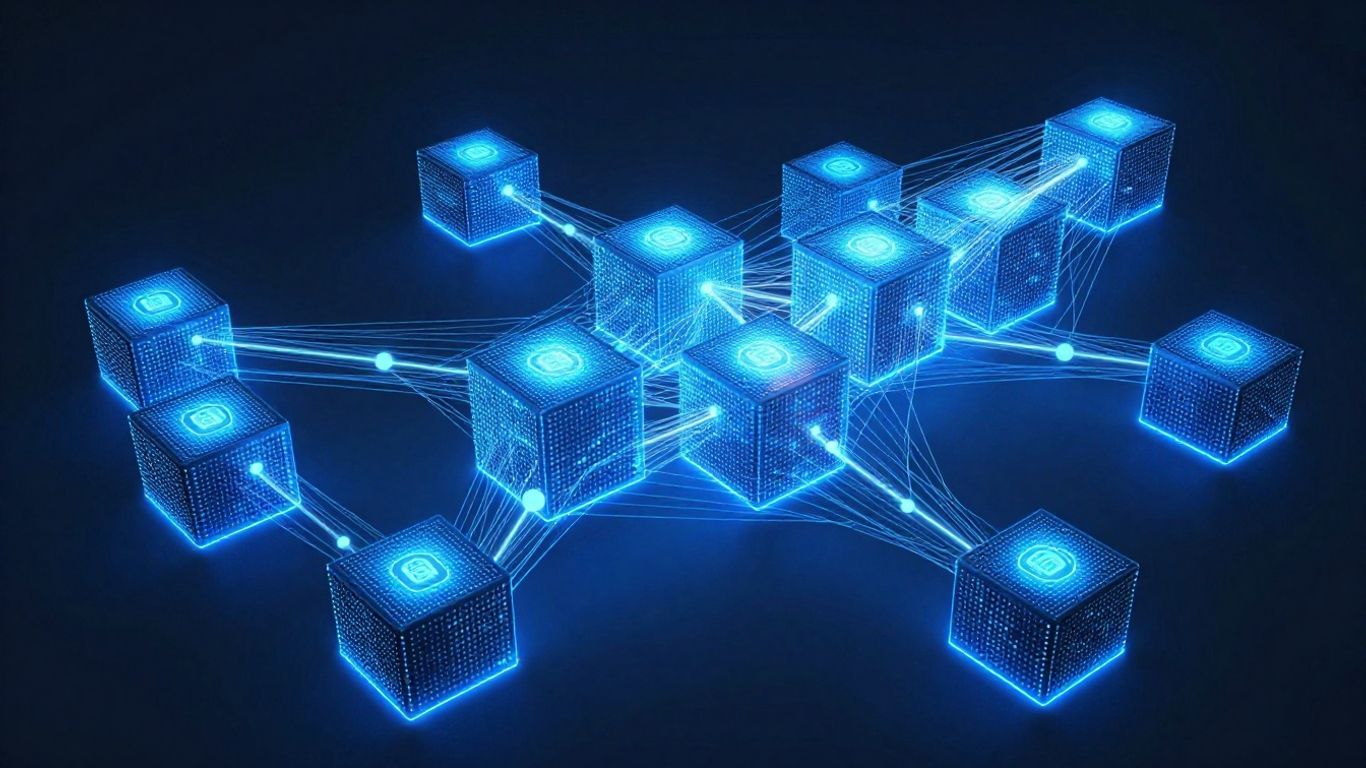
Think of blockchain as a digital notebook, but one that’s shared among many people and incredibly secure. Instead of one person holding the notebook, everyone involved has a copy. When a new entry, or ‘block,’ is added, it’s linked to the previous one, forming a ‘chain.’ This makes it very hard to go back and change anything without everyone noticing. This shared, unchangeable record is what makes blockchain so special for tracking things. It’s not just for digital money; it’s a powerful way to keep track of goods and information as they move from one place to another.
Key Principles of Blockchain
Blockchain operates on a few core ideas that make it work:
- Decentralization: No single person or company controls the entire system. The information is spread across many computers, making it more robust.
- Immutability: Once a record is added to the blockchain, it’s extremely difficult to alter or delete. This builds trust because you know the history is accurate.
- Transparency: While not all details are public, authorized participants can see the transactions. This visibility helps everyone stay informed.
- Security: Advanced cryptography protects the data, making it resistant to tampering and fraud.
These principles work together to create a system where trust isn’t placed in one entity, but in the technology itself. This is a big shift from how many traditional systems operate.
Blockchain Beyond Cryptocurrency
While many people first hear about blockchain because of cryptocurrencies like Bitcoin, its uses go much further. In supply chain management, blockchain acts as a shared, secure ledger. Imagine tracking a product from the farm to your table. Each step – harvesting, processing, shipping, selling – can be recorded on the blockchain. This means everyone involved, from the farmer to the retailer, can see where the product has been. This level of detail helps catch problems early, verify authenticity, and build confidence throughout the entire process. It’s about creating a reliable history for every item.
Navigating The Complexities Of Modern Supply Chains
The Flow Of Goods And Services
Think about how a simple t-shirt gets from a cotton field to your closet. It’s a long journey, right? First, the cotton is harvested, then it’s processed, spun into thread, woven into fabric, dyed, cut, sewn into shirts, packaged, shipped to a warehouse, sent to a store, and finally, you buy it. Each step involves different companies, different locations, and a lot of paperwork. This entire process, from getting raw materials to delivering the final product to you, is what we call the supply chain. It’s a massive network that keeps the global economy moving, connecting producers, distributors, and consumers.
Common Supply Chain Challenges
This intricate web, while vital, isn’t without its problems. For a long time, many companies operated with a “just-in-time” approach, aiming to keep minimal inventory to save costs. This worked okay until unexpected events, like global pandemics or natural disasters, hit. Suddenly, we all realized how fragile these systems could be when shelves went empty. Some of the biggest headaches include:
- Lack of Visibility: It’s often hard to know exactly where a product is at any given moment. Is it still at the factory? On a ship? Stuck in customs?
- Inefficiencies: Old-fashioned paper records and manual processes slow things down and increase the chance of errors. Imagine trying to track thousands of items with pen and paper!
- Trust Issues: With so many different companies involved, each with its own interests, it can be tough to ensure everyone is playing fair and providing accurate information.
- Counterfeiting and Fraud: It’s a real problem, especially for high-value goods or items where authenticity matters, like medicines or luxury products.
The Impact Of Inefficiencies
When these challenges aren’t addressed, the consequences ripple outwards. Delays become common, leading to frustrated customers. Costs go up because of wasted time, lost goods, or the need for expensive workarounds. Sometimes, critical products simply can’t get where they need to go, causing shortages. Ultimately, these inefficiencies can damage a company’s reputation and its bottom line. It’s like a chain reaction – one weak link can affect the entire system.
The global supply chain is a complex organism. When parts of it falter, the effects are felt by businesses and consumers alike, highlighting the need for more robust and transparent systems.
Transformative Benefits Of Blockchain Integration
Integrating blockchain technology into supply chain operations brings about significant improvements that address long-standing issues. It’s not just about digital records; it’s about fundamentally changing how goods move and how we trust the process.
Achieving Unprecedented Transparency
One of the most talked-about advantages is the level of transparency blockchain provides. Imagine a shared, digital ledger where every step a product takes, from raw material to the consumer, is recorded. This record is accessible to authorized parties, meaning everyone involved can see the same, up-to-date information. This visibility helps reduce errors and makes it much easier to manage recalls or settle disputes because the history is clear and verifiable.
With blockchain, the days of opaque supply chains where information is siloed and difficult to access are numbered. This shared view builds confidence among all participants.
Enhancing Product Traceability
Knowing exactly where a product comes from and how it got to you is becoming increasingly important, especially for things like food and medicine. Blockchain creates an unchangeable history for each item. If there’s a problem, companies can quickly pinpoint the source of the issue, which is great for customer trust. It also plays a big role in stopping counterfeit goods from entering the market and making sure ethical standards are met throughout the entire chain.
Here’s a look at how traceability improves:
- Origin Verification: Confirming the exact source of raw materials or finished goods.
- Journey Mapping: Tracking every handler, location, and condition change from start to finish.
- Authenticity Assurance: Providing a verifiable record that the product is genuine.
Streamlining Operational Processes
Blockchain can really speed things up and cut down on the manual work involved in supply chains. By automating certain steps and reducing the need for paper documents, it cuts down on time and costs. Think about international shipping – a process often slowed down by complex paperwork. Blockchain can simplify customs clearance and other checks. Plus, because it can bring data from different sources together into one place, businesses can manage their operations better and react faster when things change.
Here are some key process improvements:
- Reduced Paperwork: Digital records replace manual forms, cutting down on errors and delays.
- Faster Approvals: Automated verification processes speed up checks and clearances.
- Better Data Management: A single, unified view of information allows for quicker decision-making.
The ability to see and trust information across the entire supply chain is a game-changer.
Real-World Success Stories In Action
It’s one thing to talk about how blockchain could change supply chains, but it’s another to see it actually happening. Plenty of companies are already putting this tech to work, and the results are pretty impressive. These aren’t just theoretical ideas anymore; they’re real solutions making a difference.
Walmart’s Food Traceability Initiative
Remember when food recalls used to take ages to figure out where the problem started? Walmart decided that wasn’t good enough, especially for something as important as food safety. They teamed up with IBM to use blockchain for tracking food items. This system lets them trace the journey of a product from the farm all the way to the store shelf in mere seconds, not days.
Before blockchain, pinpointing the origin of a food item could be a lengthy, manual process involving lots of paperwork. Now, with blockchain, they can quickly see exactly where a product came from. This is a huge deal for:
- Food Safety: Quickly identifying and isolating contaminated products to prevent widespread illness.
- Efficiency: Dramatically cutting down the time and resources needed for tracking.
- Consumer Trust: Providing assurance about the origin and handling of the food they buy.
This kind of rapid traceability is a game-changer, especially when you consider how complex global food supply chains can be.
Deloitte’s Shipping Tracking Solution
Shipping goods across borders involves a lot of different companies and a ton of paperwork. Deloitte developed a blockchain-based system called ‘Track and Trace’ to make this whole process clearer. It uses technology like Hyperledger Fabric and AWS to record where a shipment is in real-time.
Here’s what makes it stand out:
- Real-time Visibility: All parties involved – the sender, the shipper, and the receiver – get an up-to-date view of the shipment’s location.
- Data Integrity: Because the information is on an immutable ledger, it’s very hard to tamper with, which builds trust.
- Cross-border Efficiency: It helps speed up customs and clearance by having verified data readily available.
Blockchain’s Impact Across Industries
It’s not just big names like Walmart or specialized solutions from Deloitte. Blockchain is making waves in many different areas:
- Pharmaceuticals: Fighting counterfeit drugs by tracking medicines from manufacturer to patient.
- Automotive: Verifying the source of raw materials and ensuring compliance with regulations.
- Agriculture: Helping farmers, distributors, and retailers track produce, ensuring safety and reducing waste from recalls.
- Manufacturing: Improving data sharing about operations and supply networks for better efficiency and less waste.
Overcoming Hurdles To Blockchain Adoption
Addressing Regulatory Concerns
Getting blockchain technology to work smoothly across different countries and their specific rules can be a real headache. Because blockchain is global and doesn’t really have a central boss, figuring out which laws apply and making sure everyone follows them is tricky. Different regions have different ideas about data privacy, digital signatures, and how to handle disputes. This means companies need to do their homework and often get legal advice to make sure their blockchain setup is compliant everywhere it operates.
Navigating Integration Challenges
One of the biggest bumps in the road is getting new blockchain systems to play nice with the old ones. Most businesses already have a lot of software and systems in place for managing their supply chains. Trying to connect a blockchain solution to these existing tools can be complicated and expensive. It often means updating or even replacing parts of their current IT setup, which takes time, money, and a good bit of technical skill. Making sure the new blockchain system can talk to the old ones without causing chaos is key to a successful rollout.
Mitigating Security Vulnerabilities
While blockchain is known for its security, it’s not completely immune to problems. Think of it like a very strong vault, but the door or the keypad might still have weak spots. For example, the points where data enters the blockchain (the ‘interface points’) can be targets for hackers. Also, in some types of blockchains, if one group gains control of more than half of the network’s computing power (a ‘51% attack’), they could potentially manipulate transactions. Companies need to be aware of these potential risks and put measures in place to protect their blockchain networks and the data they hold.
- Data Input Security: Implementing strict checks on data before it’s added to the blockchain.
- Network Monitoring: Continuously watching the blockchain network for unusual activity.
- Access Control: Limiting who can add or view information on the blockchain.
- Regular Audits: Periodically checking the system for any weaknesses.
The path to adopting blockchain in supply chains isn’t always straightforward. It requires careful planning to deal with legal rules, technical integration, and potential security risks. Businesses that tackle these challenges head-on are more likely to see the real benefits of this technology.
The Evolving Future Of Blockchain In Supply Chains
The Power Of Smart Contracts
Smart contracts are a really exciting development for supply chains. Think of them as digital agreements that automatically execute when certain conditions are met. For instance, a smart contract could be set up to release payment to a supplier the moment a shipment is confirmed as delivered and verified on the blockchain. This cuts down on a lot of paperwork, reduces the chance of human error, and speeds up financial processes. It’s like having an automated escrow service built right into your supply chain operations, making things smoother and less prone to delays.
SME Adoption And User-Friendliness
For a long time, the complexity of blockchain was a big hurdle, especially for small and medium-sized enterprises (SMEs). But that’s changing. We’re seeing more user-friendly platforms emerge, designed to integrate more easily with existing business systems, like Enterprise Resource Planning (ERP) software. This means smaller companies can start to benefit from blockchain without needing a massive IT overhaul. The goal is to make blockchain accessible, so more businesses, regardless of size, can participate and gain from its advantages.
Synergy With IoT Devices
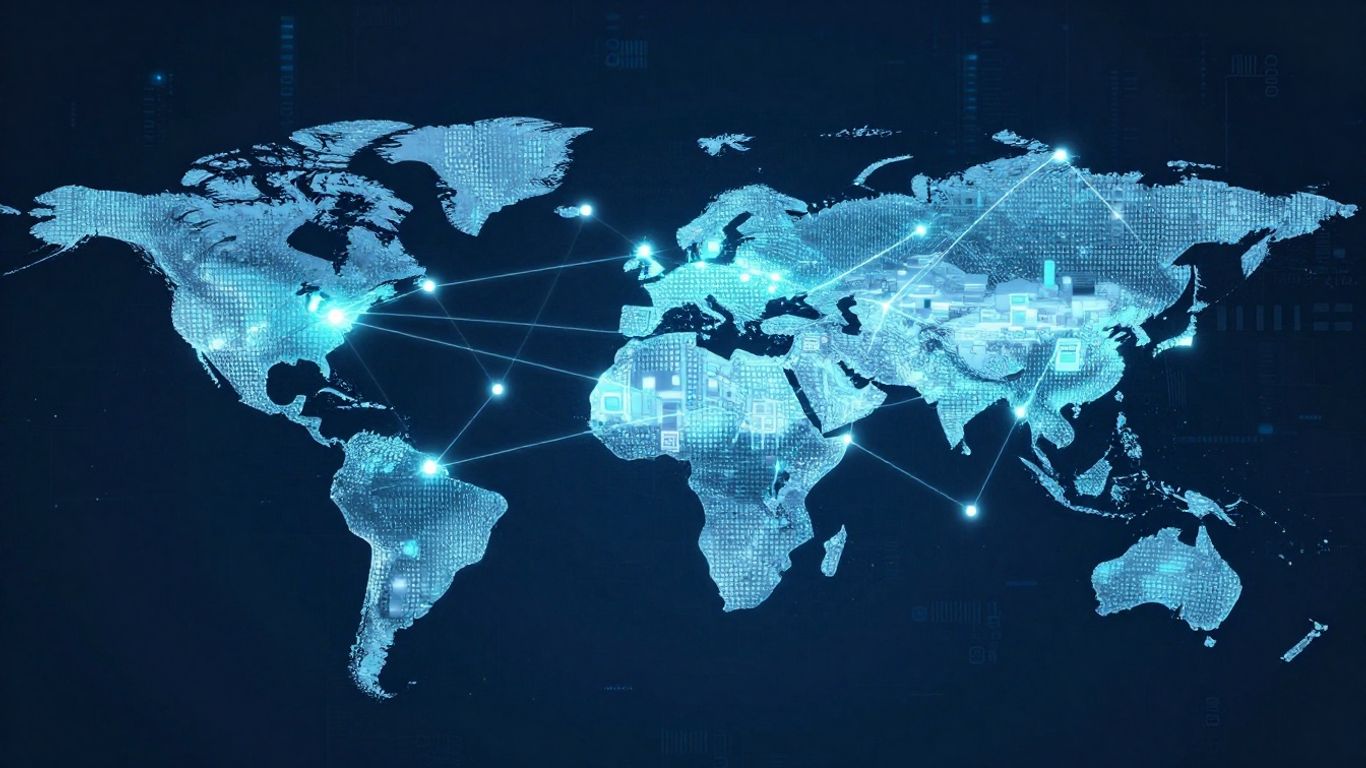
When you combine blockchain with the Internet of Things (IoT) devices, you get a powerful combination for real-time tracking. Imagine sensors on containers that automatically record temperature, location, and humidity, and then feed that data directly onto an immutable blockchain ledger. This creates an incredibly detailed and trustworthy record of a product’s journey. This synergy allows for unprecedented visibility and accountability throughout the entire supply chain. It means we can monitor goods with much greater precision, identify issues as they happen, and build stronger trust between all parties involved.
The integration of blockchain with IoT devices is set to transform how we track and manage goods. By creating a secure and transparent digital thread from origin to destination, businesses can gain real-time insights, reduce waste, and improve overall efficiency. This technological convergence promises a more connected and reliable future for global trade.
Looking Ahead
So, we’ve talked a lot about how blockchain can really shake things up in managing supply chains. It’s not just about fancy tech; it’s about making things clearer, more reliable, and frankly, a lot less of a headache for everyone involved. From knowing exactly where your products came from to making sure payments go through smoothly, blockchain offers a way to build more trust and cut down on wasted time and money. While there are still some hurdles to jump over, like getting everyone on board and figuring out the technical bits, the potential is huge. As more companies start to see the benefits, expect to see blockchain become a standard part of how goods move around the world. It’s a big step forward for how we handle global trade.
Frequently Asked Questions
What exactly is blockchain technology in simple terms?
Imagine a digital notebook that many people share. Every time something new happens, like a product moving from one place to another, a new page is added to the notebook. This page is linked to the one before it, creating a chain. Once a page is added, it’s very, very hard to change or erase it, and everyone with access can see it. This makes it a very secure and open way to keep track of things.
How does blockchain help make supply chains better?
Blockchain helps by making everything more open and easier to track. It’s like having a clear map of where your products come from and where they go. This means companies can see if there are any problems faster, prove their products are real, and make sure everything is done fairly. It also helps speed things up and reduces mistakes.
Can you give an example of a company using blockchain in its supply chain?
Yes, a great example is Walmart. They use blockchain to track food items, like pork and leafy greens, from the farm all the way to the store. This helps them quickly find out where food came from if there’s a safety issue, making their stores safer for everyone.
What are the biggest challenges when trying to use blockchain for supply chains?
One big challenge is that it can be tricky and expensive to connect blockchain with the old computer systems companies already use. Also, there aren’t always clear rules or laws about how to use blockchain, and sometimes people worry about the security of the connections to the blockchain system. It takes time and effort to get everything working smoothly.
What are ‘smart contracts’ and how do they relate to blockchain in supply chains?
Smart contracts are like automatic agreements on the blockchain. They can be set up to do things automatically when certain conditions are met. For instance, a smart contract could automatically pay a supplier once a shipment is confirmed to have arrived safely, without needing a person to approve it. This makes processes faster and less prone to errors.
Will small businesses be able to use blockchain for their supply chains too?
Yes, the goal is for blockchain to become easier for everyone to use, including smaller businesses. As the technology gets simpler and works better with existing tools, more and more companies, big and small, will be able to benefit from its advantages like better tracking and more trust.
The post Revolutionizing Supply Chain Management with Blockchain Technology appeared first on IntelligentHQ.
Read more here: https://www.intelligenthq.com/blockchain-and-supply-chain-management/