Information technology, or IT, is a big part of our lives now. It’s the stuff that makes our computers, phones, and the internet work. Think about how we talk to people far away, find information instantly, or shop online – IT makes all that possible. It’s not just about fixing computers when they break, though that’s part of it. IT is really about using technology to manage information and solve problems for businesses and organizations. This guide will break down what IT really is, what its main parts are, and how it affects everything we do.
Key Takeaways
- Information technology (IT) is the use of computers and networks to manage and process electronic data, typically for business purposes.
- The core components of IT include hardware (physical devices) and software (programs and applications).
- Networks are vital for connecting devices and allowing data to flow, forming a key part of IT infrastructure.
- Major areas within IT are expanding rapidly, including cloud computing, cybersecurity, and artificial intelligence.
- IT plays a massive role in modern operations by boosting efficiency, enabling global communication, and driving new innovations.
Understanding The Core Definition Of Information Technology
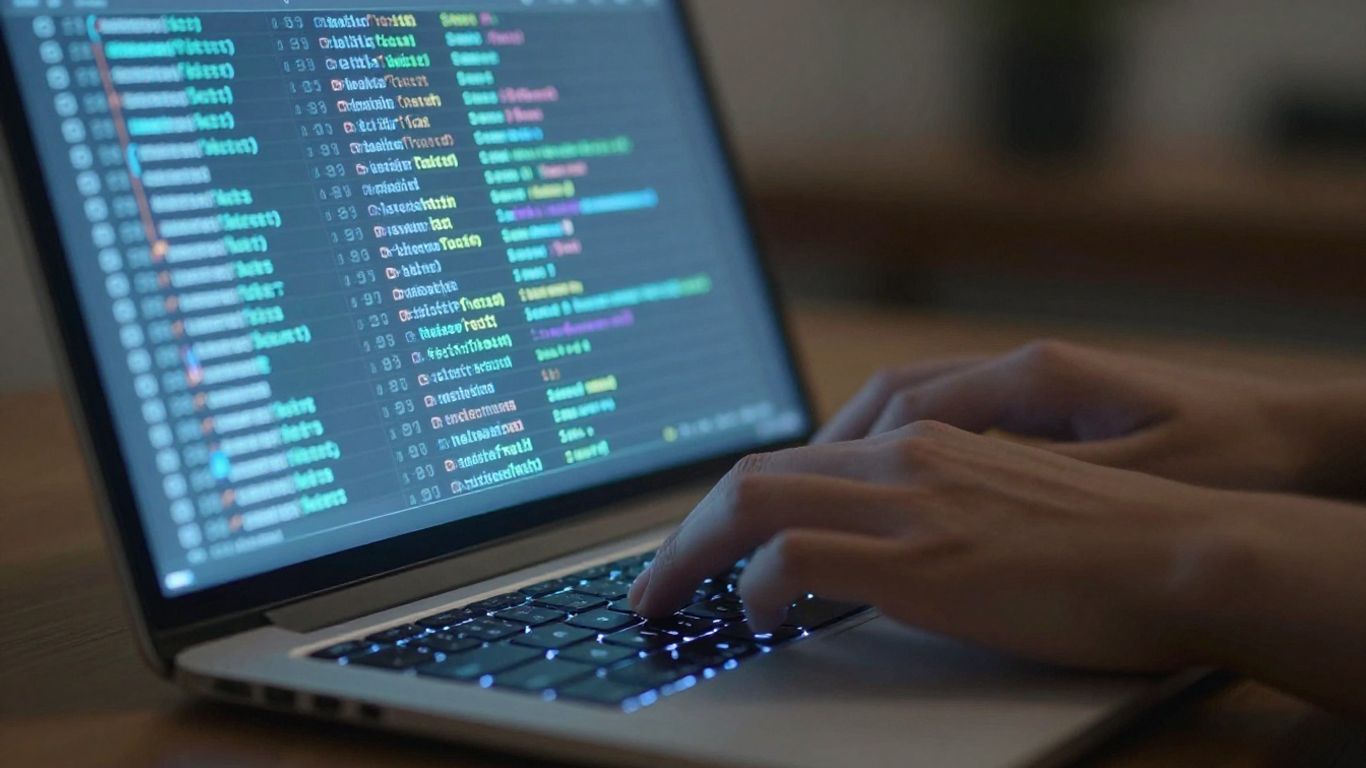
What Information Technology Truly Encompasses
When we talk about Information Technology, or IT, it’s easy to think it’s just about computers and fixing them when they break. While that’s part of it, the actual scope is much, much wider. IT is essentially the use of systems, computers, and telecommunications to manage information. This means everything from creating, storing, and processing data to securing it and sharing it electronically. It’s the engine that keeps our digital world running, touching almost every part of our lives, whether we realize it or not.
Think about it: every time you send an email, stream a video, or even just check the weather on your phone, you’re interacting with IT. It’s the invisible infrastructure that makes these actions possible. It’s not just about the devices themselves, but also the processes and people who design, implement, and maintain these systems.
The Evolution Of The Information Technology Term
The term “Information Technology” itself has a history. It was first used back in 1958 by Harvard Business Review. At that time, it was meant to separate machines that did just one specific job from those more flexible computers that could be programmed for many different tasks. Since then, technology has changed a lot. Computers have gotten more powerful, smaller, and cheaper to run. This cycle of improvement is still happening today with new technologies constantly emerging.
IT’s Role Beyond Basic Computer Support
While IT support is a visible and important part of the field, it’s just one piece of a much larger puzzle. The responsibilities of an IT department go far beyond helping someone reset their password or fix a printer.
Here are some key areas IT departments manage:
- IT Governance: This involves setting up the rules and procedures to make sure IT systems work well and align with what the organization needs to achieve.
- IT Operations: This covers the day-to-day tasks, like keeping networks running smoothly, managing devices, testing security, and providing that all-important tech support.
- Infrastructure Management: This is about all the physical stuff – the hardware like servers and computers, and the software that makes them work, including operating systems and applications.
IT is the backbone that supports how we communicate, work, and access information in the modern age. It’s a dynamic field that constantly adapts to new challenges and opportunities, driving progress across all sectors of society.
The Fundamental Components Of Information Technology
When we talk about Information Technology (IT), it’s easy to get lost in the complex systems and advanced applications. But at its heart, IT is built on a few core pieces that work together. Think of it like building a house; you need a solid foundation, walls, and a roof. In IT, these building blocks are hardware, software, and networks.
The Essential Role Of Hardware
Hardware is the physical stuff you can actually touch. This includes everything from the computer on your desk, your smartphone, and the servers that store vast amounts of data, to the cables that connect everything. Without hardware, there’s nowhere for information to live or be processed. The power of hardware has grown incredibly over the years, allowing for smaller, faster, and more capable devices. It’s the tangible engine that makes IT possible.
The Power And Functionality Of Software
If hardware is the body, then software is the brain. Software is the set of instructions, programs, and applications that tell the hardware what to do. This ranges from the operating system that boots up your computer to the apps you use daily, like your web browser or a word processor. Software allows us to interact with hardware and perform specific tasks. The development of new software is what constantly pushes the boundaries of what IT can achieve, enabling everything from complex data analysis to AI tech consulting engagements.
The Interconnectivity Of Networks
Networks are what allow all these pieces of hardware and software to talk to each other. This is how your computer connects to the internet, how devices in an office communicate, and how information travels across the globe in an instant. Networks can be as simple as two computers linked together or as complex as the global internet. They are the highways that information travels on, making collaboration and data sharing possible on a massive scale.
The interplay between hardware, software, and networks is what creates the functional IT systems we rely on. Each component is vital, and their integration is key to how information is managed and utilized in our modern world.
Key Areas Within The Information Technology Landscape
The world of Information Technology isn’t just one big thing; it’s made up of several important parts that work together. Think of it like a city – you have different districts, each with its own purpose, but they all contribute to the city’s overall function. In IT, some of these major districts are really shaping how we use technology today and tomorrow.
The Rise Of Cloud Computing
Remember when every company had a whole room filled with servers? That’s mostly a thing of the past. Cloud computing is like renting space and power from a massive, shared data center run by companies like Amazon Web Services or Microsoft Azure. Instead of buying and maintaining your own hardware, you access software and store data over the internet. This makes things way more flexible. Need more storage for a big project? You can get it instantly. Done with the project? You can scale back down just as easily. It’s also often cheaper because you’re only paying for what you use, and these big providers are really good at managing the infrastructure.
The Importance Of Cybersecurity
As we put more and more of our lives and work online, keeping that information safe has become a huge deal. Cybersecurity is all about protecting computer systems, networks, and data from bad actors. These threats can range from sneaky viruses that mess up your files to hackers trying to steal personal information or shut down a company’s operations. Because businesses rely so heavily on their digital systems, a successful cyber-attack can be incredibly damaging. It’s not just about preventing theft; it’s about making sure systems keep running smoothly and that sensitive data stays private.
The Growing Influence Of Artificial Intelligence
Artificial Intelligence, or AI, is no longer just science fiction. It’s becoming a practical tool that helps us do things faster and smarter. AI, especially machine learning, allows computers to learn from huge amounts of data without being explicitly programmed for every single task. This means AI can help businesses predict market trends, automate repetitive jobs, and even understand human language better. With the sheer volume of data generated every day, AI is becoming a go-to solution for making sense of it all and finding patterns that humans might miss.
IT professionals today need to be aware of these major areas. They aren’t just about fixing computers anymore; they’re about managing complex systems, protecting digital assets, and using smart technology to solve problems.
Here are some of the key aspects driving these areas:
- Data Handling: All these advancements rely on processing and analyzing massive amounts of data. IT professionals need skills in managing, storing, and interpreting this data.
- Scalability: Cloud computing, in particular, offers the ability to easily increase or decrease resources as needed, which is vital for businesses that experience fluctuating demands.
- Automation: AI and machine learning are increasingly used to automate tasks, freeing up human workers for more complex or creative responsibilities.
- Security Measures: Robust security protocols are non-negotiable, especially with the rise of cloud services and the constant threat of cyberattacks.
How Information Technology Drives Modern Operations
Enhancing Business Efficiency Through IT
Information technology is the engine that keeps modern businesses running smoothly and productively. Think about it: from managing inventory to processing customer orders, almost every task has a digital component. IT systems automate repetitive jobs, which frees up people to focus on more complex work. This means fewer errors and faster turnaround times. For example, a company might use specialized software to track all its stock. Instead of manually counting items, the system updates automatically when something is sold or received. This kind of automation is a huge time-saver and helps prevent costly mistakes.
- Streamlining Workflows: IT tools help organize tasks and projects, making it easier for teams to collaborate and track progress.
- Automating Processes: Repetitive actions, like sending out invoices or generating reports, can be handled by software, reducing manual effort.
- Improving Data Management: Keeping track of customer information, sales figures, and operational data becomes much simpler and more accurate with IT solutions.
- Reducing Operational Costs: By making processes faster and more efficient, IT can significantly lower the expenses associated with running a business.
IT isn’t just about having computers; it’s about using them smartly to make work easier and more effective.
Facilitating Global Communication And Connectivity
In today’s world, businesses aren’t limited by geography. IT makes it possible to connect with anyone, anywhere, at any time. Email, video conferencing, and instant messaging platforms allow teams spread across different cities or even countries to work together as if they were in the same room. This global reach opens up new markets and opportunities that were simply not possible before. Imagine a small business owner being able to chat with a supplier in Asia or a client in Europe without leaving their office. That’s the power of IT-driven communication.
- Instant Messaging: Quick chats for immediate questions and updates.
- Video Conferencing: Face-to-face meetings regardless of distance.
- Email: Formal communication and document sharing.
- Project Management Tools: Centralized platforms for team collaboration and task assignment.
Empowering Innovation And Future Advancements
Information technology is the bedrock upon which new ideas are built and brought to life. Fields like artificial intelligence (AI), data analytics, and cloud computing are constantly pushing the boundaries of what we can achieve. Businesses that adopt these technologies can develop new products, create better customer experiences, and find novel solutions to complex problems. For instance, AI can analyze vast amounts of customer feedback to identify trends that might lead to the next big product idea. This continuous cycle of innovation, fueled by IT, is what keeps businesses competitive and drives progress in society.
| Area of Innovation | Description |
|---|---|
| Artificial Intelligence | Creating systems that can learn and make decisions |
| Big Data Analytics | Extracting insights from massive datasets |
| Cloud Computing | Providing flexible and scalable computing resources over the internet |
| Internet of Things (IoT) | Connecting everyday objects to the internet for data collection and control |
The Pervasive Impact Of Information Technology

It’s pretty wild when you stop and think about it, but information technology (IT) is pretty much everywhere these days. It’s the invisible framework that keeps our digital lives running, connecting us across the globe in mere seconds and changing how we get and use information. From the computers on our desks to the phones in our pockets, IT touches almost everything we do.
IT’s Influence On Daily Life
Think about your average day. You probably wake up and check your phone for news or messages – that’s IT. You might stream music on your commute, order lunch online, or video call a friend. Even simple things like using a smart thermostat or a modern coffee maker involve IT. It’s made accessing information incredibly easy; educational resources, research, and news are just a few clicks away. This easy access has really changed how we learn and make decisions.
The Significance Of IT In Business Success
For businesses, IT isn’t just a nice-to-have; it’s practically a necessity for staying competitive. It’s how companies manage everything from product design and marketing to sales and customer service. IT systems help businesses:
- Communicate and work together: Whether teams are in the same building or on different continents, IT tools like video conferencing and shared documents make collaboration smooth.
- Operate more efficiently: Automating tasks and having access to real-time data means businesses can work faster and smarter. For instance, an automated inventory system can track stock and reorder supplies without human intervention.
- Understand their customers: Tools like Customer Relationship Management (CRM) platforms help businesses keep track of customer interactions and needs, leading to better service and loyalty.
The sheer volume of data generated daily is staggering. IT provides the tools and infrastructure to not only store this data but also to process, analyze, and derive meaningful insights from it, which is vital for making informed business decisions.
Shaping Our Connected World
IT has fundamentally changed how we interact with each other and the world around us. Online shopping, banking, and entertainment are now commonplace. Social media platforms keep us connected with friends and family, no matter the distance. This constant connectivity has reshaped social interactions and even how communities form. The way we consume media, learn new skills, and even participate in civic life has been transformed by the digital infrastructure IT provides.
| Area of Impact | Examples |
|---|---|
| Communication | Email, instant messaging, video calls, social media |
| Commerce | Online shopping, digital payments, e-commerce platforms |
| Education | Online courses, digital textbooks, research databases |
| Entertainment | Streaming services, online gaming, digital music |
| Daily Conveniences | Smart home devices, navigation apps, online banking |
Ultimately, IT is the engine driving much of our modern existence, making our lives more convenient, connected, and full of possibilities.
Navigating The Future Of Information Technology
Information technology changes fast. New tools and ways of using them can appear overnight. Keeping up isn’t just smart—it’s the only way to make sure both people and businesses stay ahead in a world driven by technology.
Emerging Trends In The IT Field
Here are some of the biggest shifts shaping IT right now:
- Artificial Intelligence (AI) is reaching beyond simple automation, helping solve more complex problems in medicine, travel, retail, and more.
- Cloud computing keeps growing, making it easier to store, share, and work on data from anywhere.
- Cybersecurity is no longer optional, as threats keep getting smarter. New defensive strategies pop up regularly to fight against new hacks and scams.
| Trend | Description | Current Impact |
|---|---|---|
| Artificial Intelligence | Automates tasks, processes language, recognizes images | High |
| Cloud Computing | Offers accessible, scalable data storage and resources | High |
| Cybersecurity | Protects systems and data, requires constant updates | Very High |
| Remote Collaboration | Tools for teamwork and meetings from any location | Moderate-High |
The Continuous Evolution Of Technology
IT never stays the same for long. Here’s what often changes:
- Processing speeds and hardware get faster, letting people do more with less waiting.
- Software tools update often, adding features and fixing old issues.
- New types of devices—think smart watches or voice assistants—keep popping up in day-to-day life.
There’s really no finish line in IT; the field keeps moving forward, and what works today could be outdated tomorrow.
Staying Relevant In A Dynamic IT Environment
To stay in the game, it’s important for IT professionals and regular users to do a few things:
- Learn continuously—take short courses or read up on new tools.
- Adapt quickly—don’t get too comfortable with one way of working.
- Stay updated on security practices, since risks change along with the tech itself.
No matter your current role, understanding the direction of information technology is key. Even small efforts to stay informed can make a big difference for your future plans or for keeping a business competitive.
Wrapping Up Our IT Journey
So, we’ve walked through what information technology really is. It’s not just about computers and fixing problems; it’s the whole system that helps us manage and use information in so many ways. From the phones in our hands to the big systems running businesses, IT is everywhere. As technology keeps changing, IT will keep playing a bigger part in how we live and work. Whether you’re thinking about a career in this field or just want to understand the digital world better, learning about IT is a smart move for the future. It’s a field that’s always growing and always important.
Frequently Asked Questions
What is Information Technology (IT) in simple terms?
Information Technology, or IT, is basically the use of computers and other electronic tools to help us manage information. Think of it as the system that lets us create, store, share, and use digital information, like documents, pictures, and videos. It’s the behind-the-scenes magic that makes our computers, phones, and the internet work.
What are the main parts of IT?
The main parts of IT are hardware, software, and networks. Hardware includes the physical things you can touch, like computers, phones, and servers. Software is the set of instructions that tells the hardware what to do, like apps and operating systems. Networks are what connect all these devices together, allowing them to share information, like the internet or your home Wi-Fi.
Is IT just about fixing computers?
While helping people with computer problems is part of IT, it’s a much bigger field. IT professionals also design and build computer systems, create software, protect information from hackers (cybersecurity), manage large amounts of data, and help businesses use technology to work better and smarter.
How does IT help businesses?
IT helps businesses in many ways. It makes tasks faster and easier, helps employees communicate with each other and with customers, keeps important business information safe, and allows companies to reach customers all over the world. It’s essential for businesses to be efficient and competitive today.
What is cloud computing?
Cloud computing means storing and accessing information and programs over the internet, instead of just on your own computer. It’s like using a giant online storage locker and computer that you can access from anywhere. This makes it easier to share files and use powerful software without needing super-fast computers yourself.
Why is cybersecurity important in IT?
Cybersecurity is very important because it protects our digital information from being stolen or misused by bad actors. As we use technology more, our personal and financial information is stored online. Cybersecurity measures, like strong passwords and secure systems, help keep this sensitive data safe from hackers and other online threats.
The post Unpacking the Definition of Information Technology: A Comprehensive Guide appeared first on IntelligentHQ.
Read more here: https://www.intelligenthq.com/definition-of-information-technology/