We live in a time where technology is changing fast. Systems that used to be simple are now very complex, and new ideas are popping up all the time. This article looks at the newest parts of advanced systems technology, what makes them work, and where they might take us.
Key Takeaways
- Advanced systems technology is all about the newest developments in how we use computers and information.
- Things like data analysis and artificial intelligence are big parts of these new systems.
- These new technologies create chances to make things better, like how we interact with machines and how networks work.
- There are also challenges, like making sure new systems are safe and that people stay in control.
- We’re already seeing these advanced systems in action, from smart homes to robots and even in space missions.
Understanding Advanced Systems Technology Frontiers
The world of technology moves fast, and keeping up can feel like trying to catch a speeding train. Advanced Systems Technology is at the heart of this rapid change, constantly pushing boundaries and opening up new possibilities. It’s about more than just new gadgets; it’s about how we process information, interact with machines, and build the digital infrastructure that supports our lives.
The Evolving Landscape of Information Systems
Information systems have come a long way. Think about how we used to manage data – stacks of paper, clunky databases. Now, we’re dealing with massive amounts of information generated every second. This shift means we need smarter ways to handle, analyze, and use this data. It’s not just about storing it anymore; it’s about finding meaning and making it work for us. This evolution touches everything from how businesses operate to how we access information daily.
Emerging Technologies Shaping Our World
Several key technologies are driving this evolution. Artificial Intelligence (AI) is a big one, allowing systems to learn and make decisions. Cloud computing provides flexible and scalable ways to store and process data from anywhere. Mobile computing has put powerful tools right into our pockets, changing how we communicate and work. The Internet of Things (IoT) connects everyday objects, creating a network of smart devices.
The Convergence of Innovation
What’s really exciting is when these technologies start working together. For instance, AI can analyze the huge datasets collected by IoT devices, leading to smarter applications. Cloud platforms make it easier to deploy and manage these complex systems. This joining of different technologies, or convergence, is where some of the most interesting advancements are happening. It’s like different ingredients coming together to create a whole new dish.
The constant evolution of information systems means that what seems cutting-edge today will likely be standard practice tomorrow. Staying aware of these shifts is key to understanding where technology is headed.
Here’s a look at some of the areas driving this change:
- Data Analytics: Turning raw data into actionable insights.
- Artificial Intelligence: Enabling systems to learn, reason, and act.
- Cloud Computing: Providing scalable and accessible computing resources.
- Mobile Computing: Bringing advanced functionality to portable devices.
- Internet of Things (IoT): Connecting physical devices to the digital world.
Key Pillars of Advanced Systems Technology
Advanced systems technology isn’t built on just one idea; it’s a combination of several powerful components working together. Think of them as the main ingredients that make modern tech tick. These pillars are what allow us to process vast amounts of information, make smart decisions, and connect with the world in new ways.
The Power of Data Analytics
Data analytics is all about making sense of the huge piles of information we collect every day. It’s like having a super-powered magnifying glass for data, helping us find patterns and insights that would otherwise be hidden. Businesses use this to understand what customers want, how things are working, and where they can improve. For instance, a store might look at what people buy together to decide how to arrange their shelves or what sales to run. This process turns raw numbers into useful knowledge.
Artificial Intelligence Integration
Artificial Intelligence, or AI, is about making machines think and learn like humans, or at least mimic those abilities. It’s not just about robots; AI is behind things like the recommendations you get on streaming services or the way your phone understands your voice commands. When AI is added to systems, it can automate tasks, predict outcomes, and even help solve complex problems that would take humans a very long time. It’s a big part of making systems smarter and more helpful.
Cloud Computing Advancements
Cloud computing has changed how we store and access information. Instead of keeping everything on our own computers or local servers, we use the internet to access services and data stored on remote servers. This makes it easier to share information, work from anywhere, and scale up or down what we need. Think about using online document editors or storing photos online – that’s cloud computing in action. It’s made technology more flexible and accessible for everyone.
Mobile Computing Evolution
Mobile computing is about devices like smartphones and tablets that let us compute and connect on the go. These devices have become incredibly powerful, doing much more than just making calls. They are central to how we communicate, work, and entertain ourselves. The constant improvements in battery life, processing power, and connectivity mean we can do more complex tasks on our phones than ever before, making them indispensable tools in our daily lives.
Opportunities and Innovations in Advanced Systems
Advanced systems technology is opening up new avenues for progress across many fields. We’re seeing exciting developments that make our interactions with technology smoother and our systems more capable. The potential for these systems to reshape how we live and work is truly remarkable.
One major area of growth is in how we interact with machines. Think about how much easier it is now to talk to your phone or have a smart speaker understand your requests. This trend is only going to continue, leading to more intuitive and helpful interfaces. We can also expect improvements in the underlying networks that connect everything. This means faster, more reliable communication, which is a big deal for everything from video calls to complex industrial processes. Plus, as these technologies mature, we’re starting to see costs come down, making advanced capabilities more accessible.
Here are some key areas where we’re seeing these opportunities:
- Better Human-Machine Interaction: Systems are becoming more responsive and easier to use, almost like having a conversation.
- Stronger Network Infrastructure: Expect faster speeds and more dependable connections, which is the backbone for many new technologies.
- Cost Reductions: As technology advances, it often becomes more affordable to implement and maintain.
The convergence of different technologies, like artificial intelligence and data analysis, is creating powerful new tools. These tools can help us make sense of vast amounts of information and make smarter decisions, often faster than humans could alone. While these systems are incredibly powerful, they also require careful thought about how they are used and managed.
We’re also seeing innovations that improve efficiency and create new possibilities. For instance, the way we process and analyze data is becoming much more sophisticated. This allows businesses and researchers to uncover insights that were previously hidden. The development of more integrated systems means that different pieces of technology can work together more effectively, leading to smarter solutions for everyday problems.
Navigating Challenges in Advanced Systems
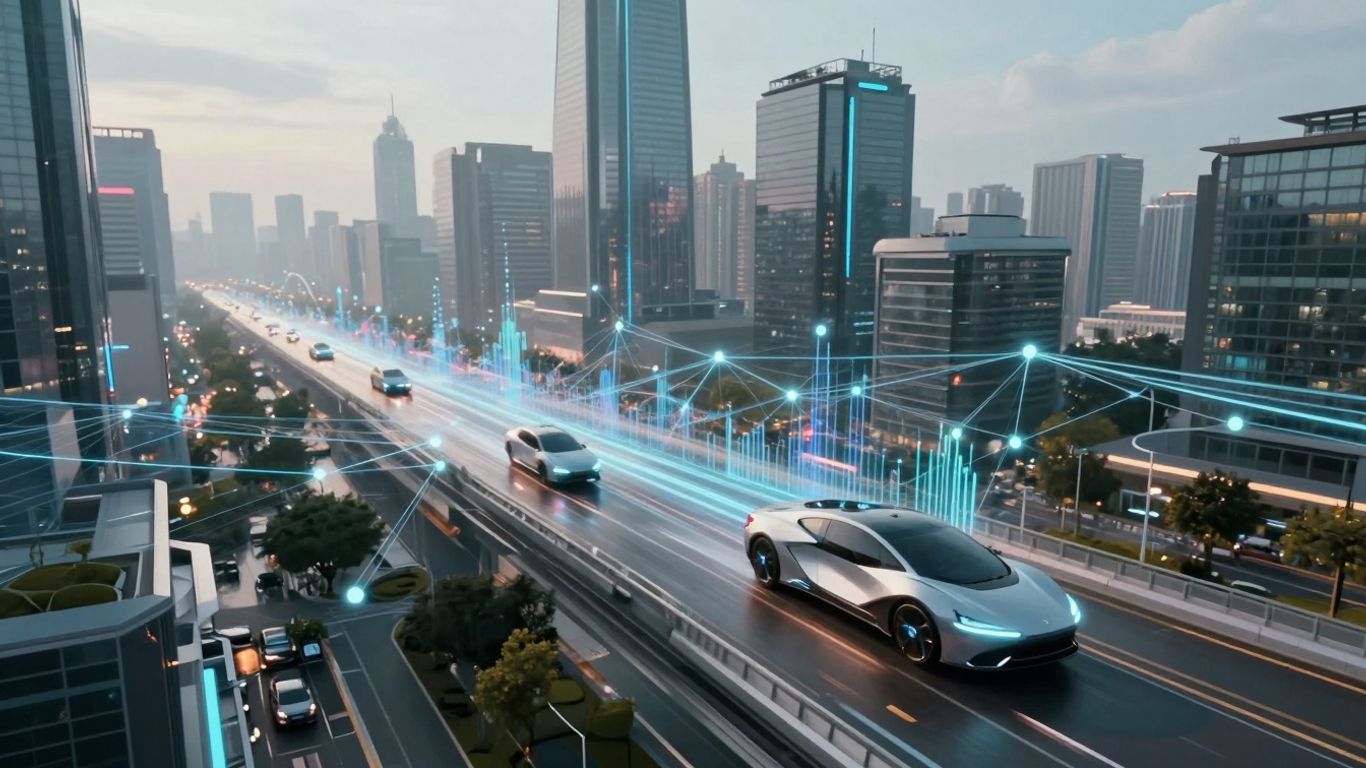
As we push the boundaries of what’s possible with advanced systems, it’s not all smooth sailing. There are some significant hurdles we need to clear to make sure these technologies benefit us safely and effectively. It’s like building a super-complex machine; you need to think about how every piece fits and what could go wrong.
Balancing Innovation and Risk
One of the biggest puzzles is figuring out how to innovate quickly without taking on too much risk. New technologies can offer amazing benefits, but they can also introduce unforeseen problems. Think about the early days of social media – nobody really predicted all the ways it could be used or misused. We need smart ways to test and roll out new systems so we can catch potential issues early. This involves careful planning and a willingness to adapt as we learn more. It’s a constant balancing act between moving forward and staying grounded.
- Prototyping and Piloting: Testing new systems on a small scale before a full rollout.
- Risk Assessment Frameworks: Developing structured ways to identify and evaluate potential dangers.
- Iterative Development: Building and refining systems in stages, allowing for adjustments based on feedback.
The drive for innovation is powerful, but it must be tempered with a realistic appraisal of potential downsides. Ignoring risks doesn’t make them disappear; it only makes them harder to manage when they eventually surface.
Ensuring AI Safety and Governance
Artificial intelligence is a game-changer, but it also brings its own set of worries. How do we make sure AI systems are fair, unbiased, and don’t make harmful decisions? This is where AI safety and governance come in. We’re talking about creating rules and guidelines for how AI is developed and used. It’s not just about making AI smart; it’s about making it responsible. This field is still developing, and it’s a big part of making sure AI works for everyone. We need clear standards for technological adoption and how these systems are managed.
Maintaining Human Control
Even with the most advanced systems, keeping humans in the loop is often vital. While automation can handle many tasks, there are situations where human judgment, creativity, or ethical considerations are irreplaceable. The challenge is designing systems that work with humans, not instead of them. This means creating interfaces that are easy to understand and control, and defining clear roles for both humans and machines. It’s about building partnerships where technology supports human capabilities, allowing us to achieve more together. We need to be thoughtful about where we draw the line between automation and human oversight, especially in critical applications like healthcare or transportation.
- Clear Decision Hierarchies: Defining who makes the final call in complex situations.
- Intuitive User Interfaces: Designing systems that humans can easily understand and operate.
- Auditable Systems: Creating logs and records so that decisions made by systems can be reviewed.
Real-World Applications of Advanced Systems
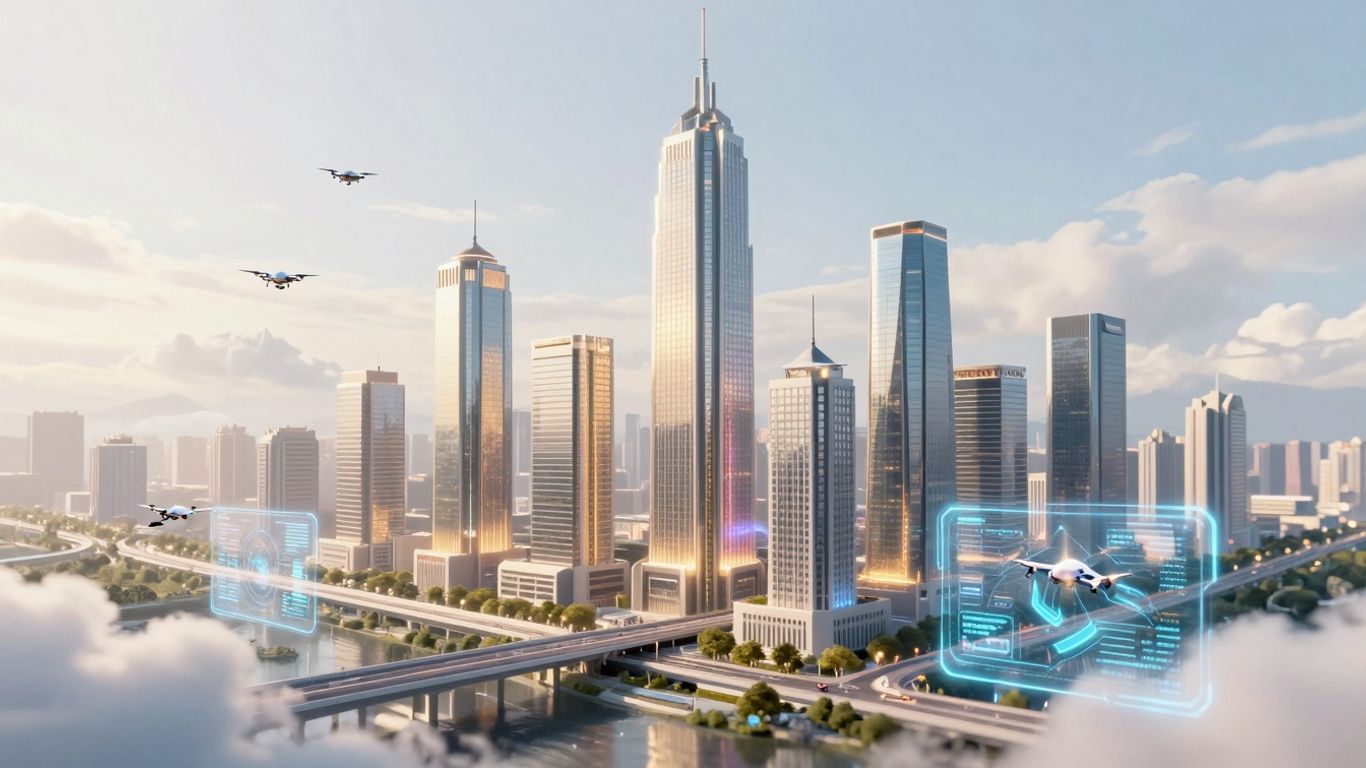
Advanced systems technology isn’t just a concept discussed in labs or academic papers; it’s actively shaping our daily lives and industries in profound ways. From the convenience of our homes to the complex operations of global industries, these technologies are making a tangible difference. Let’s explore some of the most impactful areas where advanced systems are currently being applied.
Smart Homes and IoT
The Internet of Things (IoT) has transformed our living spaces into intelligent environments. Smart homes integrate various devices, from thermostats and lighting to security systems and entertainment, all connected and controllable via networks. This connectivity allows for automation, remote management, and personalized experiences. For instance, smart thermostats can learn your schedule and adjust temperatures automatically, saving energy and improving comfort. Security cameras can send alerts directly to your phone, and smart speakers can manage tasks through voice commands. This interconnectedness is a prime example of how advanced systems simplify and improve everyday living.
Autonomous Vehicles and Robotics
Autonomous vehicles and robotics represent a significant leap in automation. Self-driving cars, powered by sophisticated AI and sensor technology, are designed to perceive their surroundings and navigate without human intervention. Beyond transportation, robotics is revolutionizing manufacturing, logistics, and even healthcare. Robots can perform repetitive or dangerous tasks with precision, increasing efficiency and safety. In manufacturing, robotic arms assemble products with speed and accuracy. In warehouses, autonomous robots move goods, optimizing supply chains. The development in this area is rapidly advancing, with ongoing research focused on making these systems more adaptable to dynamic environments.
Space Exploration Technologies
Advanced systems are also pushing the boundaries of human exploration, particularly in space. Technologies like AI, advanced computing, and sophisticated sensor arrays are critical for missions that venture beyond Earth. These systems help analyze vast amounts of data collected from telescopes and probes, identify celestial bodies, and even assist in the operation of robotic explorers on other planets. The ability to process and interpret complex data from distant sources is fundamental to our understanding of the universe. Developing systems that can operate reliably in the harsh conditions of space requires innovation in areas like power management, communication, and autonomous decision-making. The insights gained from these missions are invaluable for scientific discovery and technological progress.
The integration of advanced systems across various sectors highlights a trend towards greater automation, data-driven decision-making, and interconnectedness. While these advancements bring numerous benefits, they also necessitate careful consideration of ethical implications and the need for robust governance frameworks to guide their development and deployment.
Here’s a look at some key components driving these applications:
- Data Analytics: Essential for making sense of the massive datasets generated by IoT devices, autonomous systems, and space missions. It helps in identifying patterns, predicting outcomes, and optimizing performance.
- Artificial Intelligence (AI): The brain behind many advanced systems, enabling capabilities like machine learning, computer vision, and natural language processing, which are vital for tasks ranging from object recognition in autonomous vehicles to analyzing astronomical data.
- Cloud Computing: Provides the scalable infrastructure and processing power needed to handle the demands of complex simulations, data storage, and real-time analysis for these advanced applications.
- Network Infrastructure: Robust and high-speed networks are the backbone that connects these disparate systems, allowing for efficient communication and data transfer, which is particularly important for real-time control and monitoring.
The Future of Advanced Systems Technology
Designing Integrated Photonic Circuits
The future of advanced systems is increasingly tied to how we process and transmit information. One exciting frontier is the design of integrated photonic circuits. These circuits use light instead of electricity to perform computations and transmit data. Think of it as building super-fast highways for information, where light beams carry data at incredible speeds. This technology has the potential to revolutionize computing, making devices much faster and more energy-efficient. Imagine computers that can perform complex calculations in fractions of a second or communication networks that handle massive amounts of data without breaking a sweat. The development in this area is about miniaturizing these optical components and making them work together reliably on a single chip. It’s a complex engineering challenge, but the payoff could be enormous for everything from supercomputers to everyday electronics.
Modeling Robotic Systems for Dynamic Environments
As robots become more sophisticated, so does the need to model their behavior in complex, ever-changing surroundings. This involves creating advanced simulations that can predict how a robot will interact with its environment and adapt to unexpected situations. For instance, consider an autonomous vehicle navigating a busy city street. It needs to account for pedestrians, other cars, changing traffic lights, and even unpredictable weather. The models we develop today are crucial for training these robots to make safe and effective decisions in real-time. This field combines artificial intelligence, advanced mathematics, and a deep understanding of physics to create digital twins of robots and their worlds. The goal is to build systems that can learn, adapt, and operate safely and efficiently, even when faced with novel scenarios. This is a key step towards robots that can truly assist us in a wide range of tasks, from manufacturing to healthcare.
The Role of Data Analysts in the Future
While advanced systems like AI and robotics are becoming more capable, the human element remains vital. Data analysts will play an increasingly important role in interpreting the vast amounts of information these systems generate. They are the bridge between raw data and actionable insights. As systems become more complex, the need for skilled professionals who can understand the context, identify trends, and communicate findings to both technical and non-technical audiences will only grow. This means analysts will need to be adept not only at using sophisticated tools but also at understanding the business implications of the data. Their ability to ask the right questions and guide the development of these advanced systems will be paramount. The evolution of information systems means that professionals in this field will continue to find new and interesting challenges and opportunities.
The ongoing evolution of advanced systems technology points towards a future where human ingenuity and machine intelligence work in tandem. The focus is shifting towards creating systems that are not only powerful but also adaptable, safe, and understandable. This collaborative approach will shape how we interact with technology and solve some of the world’s most pressing problems.
Looking Ahead
So, we’ve talked about a lot of cool stuff happening in advanced systems technology. From making sense of huge amounts of data with analytics to machines understanding us better with AI, and even connecting everything with the Internet of Things, it’s clear things are moving fast. These advancements aren’t just for tech geeks; they’re changing how we live and work, offering new possibilities and, yes, some new challenges too. It’s an exciting time to see how these technologies will continue to grow and shape our future, making things more efficient and maybe even a bit more connected.
Frequently Asked Questions
What exactly is advanced systems technology?
Think of advanced systems technology as the super-smart tools and methods we use today to make computers and machines do amazing things. It’s about using the latest ideas in areas like data analysis, artificial intelligence (AI), and new ways to connect devices to solve problems and create new possibilities.
How is data analysis part of advanced systems?
Data analysis is like being a detective for information. Advanced systems use powerful tools to look through huge amounts of data, find patterns, and help us make better decisions. For example, stores use it to understand what customers like to buy.
What role does Artificial Intelligence (AI) play?
AI is when computers can learn and think in ways that seem human. In advanced systems, AI helps machines understand what we say, recognize things, and even make smart choices on their own, making them more helpful and capable.
Are there any downsides to these new technologies?
Yes, there can be. While these technologies offer great benefits, we also need to be careful. We need to make sure they are used safely, that they don’t make mistakes that cause harm, and that people are still in control of important decisions.
Can you give an example of advanced systems in action?
Sure! Think about smart homes where your lights and thermostat can be controlled from your phone, or self-driving cars that use sensors and AI to navigate roads. Even robots used in space exploration are examples of advanced systems working in the real world.
What does the future hold for advanced systems?
The future looks very exciting! We’re seeing new ways to create super-fast computer chips that use light, better ways to design robots that can handle tricky situations, and even more ways for data experts to help us understand the world through information.
The post Exploring the Frontiers of Advanced Systems Technology appeared first on IntelligentHQ.
Read more here: https://www.intelligenthq.com/advanced-systems-technology-3/