The world is seeing more and more connected devices, often called the Internet of Things (IoT). These gadgets help us in many ways, making life easier and more efficient. But, with so many devices out there, security is a big worry. Hackers can find weak spots and cause trouble. That’s where blockchain technology comes in. It’s like a super secure digital ledger that can help protect all these IoT devices and the information they handle. This article looks at how putting blockchain and the internet of things together can make things safer and work better.
Key Takeaways
- The Internet of Things (IoT) connects billions of devices, but this creates many security risks. Blockchain technology offers strong security features that can help protect these devices.
- Blockchain’s decentralized nature means there’s no single point of failure, making it harder for attackers to take over systems. It also uses encryption to keep communication between devices private and secure.
- An immutable ledger, a core feature of blockchain, means that once data is recorded, it cannot be changed. This provides a trustworthy history of device activity and helps prevent tampering.
- Combining blockchain and IoT has practical uses in areas like tracking goods in supply chains, making self-driving cars safer, building smarter cities, and managing sensitive health data more securely.
- While the integration of blockchain and IoT offers many benefits, challenges like system speed, data storage, and choosing the right blockchain platform need careful consideration for successful implementation.
Understanding The Synergy Between Blockchain And Internet Of Things
The Pervasive Nature Of Internet Of Things Devices
The Internet of Things, or IoT, has become a massive network of physical objects embedded with sensors, software, and other technologies. These devices connect and exchange data over the internet. Think about your smart thermostat adjusting the temperature automatically, or fitness trackers monitoring your steps. These are just a couple of examples in a world where connected devices are rapidly expanding. In 2023, there were about 15.14 billion IoT devices, and projections show this number could reach nearly 30 billion by 2030. This widespread adoption brings a lot of convenience and efficiency, allowing for remote control, automation, and real-time data collection across many industries.
Addressing IoT’s Security Vulnerabilities With Blockchain
While the growth of IoT is exciting, it also presents significant security challenges. With so many connected devices, each acting as a potential entry point, traditional security methods often fall short. These devices can be targets for unauthorized access, data breaches, and other malicious activities. This is where blockchain technology offers a promising solution. By integrating blockchain, we can build more secure and trustworthy IoT systems.
How Blockchain Enhances IoT Security Features
Blockchain technology brings several key advantages to the table when it comes to securing IoT networks. Its decentralized nature means there’s no single point of failure, making it harder for attackers to compromise the entire system. Furthermore, the cryptographic principles at the heart of blockchain ensure that data transmitted between devices is secure and that transactions are recorded immutably. This combination helps create a more robust and reliable infrastructure for the ever-growing world of connected devices.
The sheer volume and diversity of IoT devices create a complex attack surface. Traditional centralized security models struggle to manage this complexity effectively, leaving many vulnerabilities open to exploitation. Blockchain’s distributed ledger and cryptographic security offer a new paradigm for securing these interconnected systems.
Here’s a look at how blockchain addresses some of these issues:
- Decentralization: Instead of relying on a central server, blockchain distributes data across many nodes. This makes it much harder for a single attack to bring down the network or corrupt data.
- Immutability: Once data is recorded on a blockchain, it’s extremely difficult to alter or delete. This provides a reliable audit trail for device interactions and data.
- Transparency (with privacy): While transactions are transparent, the identities of participants can be kept private through cryptographic methods, balancing openness with confidentiality.
Core Blockchain Advantages For Enhanced IoT Security
When we talk about making Internet of Things (IoT) devices safer, blockchain technology really shines. It brings some pretty solid benefits to the table that directly tackle the security headaches IoT often comes with. Think of it as adding a super-secure vault to your network of connected gadgets.
Decentralization For Robust Authentication
One of the biggest wins blockchain offers is its decentralized nature. Unlike traditional systems that rely on a single point of control, blockchain spreads information across many computers. This means no single entity holds all the power, making it much harder for attackers to compromise the whole system. For IoT, this translates to a more secure way to verify devices. Each device gets a unique digital identity, like a digital fingerprint, that’s verified through secure processes. This makes it incredibly difficult for unauthorized devices or people to pretend they belong.
Secure Communication Through Encryption
Blockchain uses advanced encryption to keep conversations between IoT devices private and safe. When devices need to share information, whether it’s sensitive data from a smart home or critical readings from industrial sensors, blockchain creates a protected channel. This encryption acts like a secret code that only the intended devices can understand, shielding the data from anyone trying to snoop or tamper with it as it travels across the network.
The Power Of An Immutable Ledger
Imagine a notebook where once you write something down, it can never be erased or changed. That’s essentially what an immutable ledger is in blockchain. Every transaction or piece of data recorded on the blockchain is permanent. For IoT, this means a trustworthy history of device activity. If a device sends data, that record stays put. This makes it easy to spot any unauthorized changes or attempts to manipulate data, providing a clear audit trail and helping to prevent malicious actions.
The permanent and verifiable nature of blockchain records means that any attempt to alter data from an IoT device would be immediately visible to all participants on the network. This transparency is key to identifying and stopping security breaches before they cause significant damage.
Here are some key ways blockchain’s ledger helps:
- Tamper-Proof Records: Data logged from IoT devices cannot be altered or deleted after the fact.
- Traceability: It’s easy to track the origin and history of data, which is useful for diagnostics and security audits.
- Accountability: Every action is recorded, making it clear who or what performed an action, which helps in identifying the source of issues.
Real-World Applications Of Blockchain And Internet Of Things Integration

When we talk about combining blockchain and the Internet of Things (IoT), it’s not just theoretical. This partnership is already showing up in some pretty interesting ways, making things work better and more securely. Let’s look at a few examples.
Transforming Supply Chain Management
Think about tracking a product from where it’s made all the way to your doorstep. IoT sensors can keep tabs on where a package is and what its condition is – like temperature or humidity – in real time. This information gets recorded on a blockchain. Because blockchain is like a permanent, unchangeable record book, everyone involved in the supply chain can see exactly what happened and when. This makes it much harder for anyone to cheat the system or pass off fake goods. It’s all about making the whole process more open and trustworthy.
- Real-time tracking: IoT sensors provide constant updates on location and condition.
- Immutable record: Blockchain logs all movements and changes, preventing tampering.
- Increased transparency: All authorized parties can view the product’s journey.
- Fraud prevention: Difficult to introduce counterfeit items or alter records.
Enabling Secure Self-Driving Vehicles
Self-driving cars are packed with sensors and need to communicate constantly. By giving each vehicle a unique digital identity on a blockchain, they can talk to each other and to traffic systems more securely. All the data these cars generate – like what their sensors see or their GPS location – can be stored on the blockchain. This means that data can’t be messed with, which is super important for safety and accountability. Imagine a car reporting an accident; that data would be reliable.
The ability for autonomous vehicles to securely share data and verify their identity is a major step towards widespread adoption and public trust.
Building Smarter, More Efficient Cities
Cities are getting “smarter” with IoT devices managing everything from traffic lights to waste collection. When you add blockchain, these systems can become more secure and efficient. For instance, smart meters in homes could securely report energy usage directly to the utility company without needing a middleman. This could lead to more accurate billing and better energy management for the whole city. It also means that data from various city services can be shared more safely between different departments.
Revolutionizing Healthcare Data Management
Healthcare generates a lot of sensitive data. IoT devices like wearable health trackers can collect patient information, and blockchain can secure this data. Patients could have more control over who sees their health records, granting temporary access to doctors or researchers. Because the records are on a blockchain, they are tamper-proof, giving both patients and providers confidence in the data’s integrity. This could speed up research and improve patient care by making accurate, secure data readily available when needed.
- Secure storage of patient records.
- Patient-controlled access to data.
- Tamper-proof data logs for diagnostics and research.
- Improved interoperability between healthcare providers.
Key Considerations For Implementing Blockchain And Internet Of Things
Integrating blockchain with the Internet of Things (IoT) sounds like a fantastic idea for boosting security and efficiency, but it’s not quite as simple as flipping a switch. There are several important things to think about before you jump in. Getting these right from the start can save a lot of headaches down the road.
Scalability And Performance Challenges
One of the biggest hurdles is making sure the system can handle a lot of data and transactions. IoT devices generate a constant stream of information, and if the blockchain can’t keep up, things will slow down. This is especially tricky because many IoT devices are quite basic and don’t have a lot of processing power themselves. We need ways for these devices to communicate and for the blockchain to record everything without getting bogged down. Finding a balance between robust security and quick transaction times is key.
- Transaction Throughput: How many transactions can the blockchain process per second? This needs to be high enough for the volume of IoT data.
- Latency: How long does it take for a transaction to be confirmed? For real-time IoT applications, this needs to be very low.
- Network Congestion: As more devices join, the network can get crowded, leading to delays and higher costs.
Data Confidentiality And Storage Needs
While blockchain is great for transparency, sometimes you need to keep certain data private. Think about sensitive information from medical devices or personal smart home sensors. Deciding what data goes on the blockchain and how to protect it is a big question. Storing all the data generated by millions of IoT devices directly on a blockchain can also become a massive storage problem very quickly. We need smart solutions for managing this data, perhaps by storing only essential transaction records on-chain and keeping the bulk of the data elsewhere, securely linked.
The sheer volume of data produced by IoT devices presents a significant challenge for blockchain integration. Simply dumping all this information onto a distributed ledger is often impractical due to storage limitations and performance impacts. Careful consideration must be given to data management strategies, including what data is essential for blockchain recording and how to handle the rest securely and efficiently.
Choosing The Right Blockchain Platform
Not all blockchains are created equal. There are different types, like public (like Bitcoin), private, and consortium blockchains. Each has its own strengths and weaknesses when it comes to speed, security, cost, and who has control. For IoT, a private or consortium blockchain might be more suitable because they can offer better control and potentially higher performance than public ones. It’s also important to look at the consensus mechanism – the way the network agrees on new transactions. Some are faster but less secure, while others are the opposite. The choice here really depends on the specific needs of the IoT application.
The Economic And Operational Benefits Of This Integration
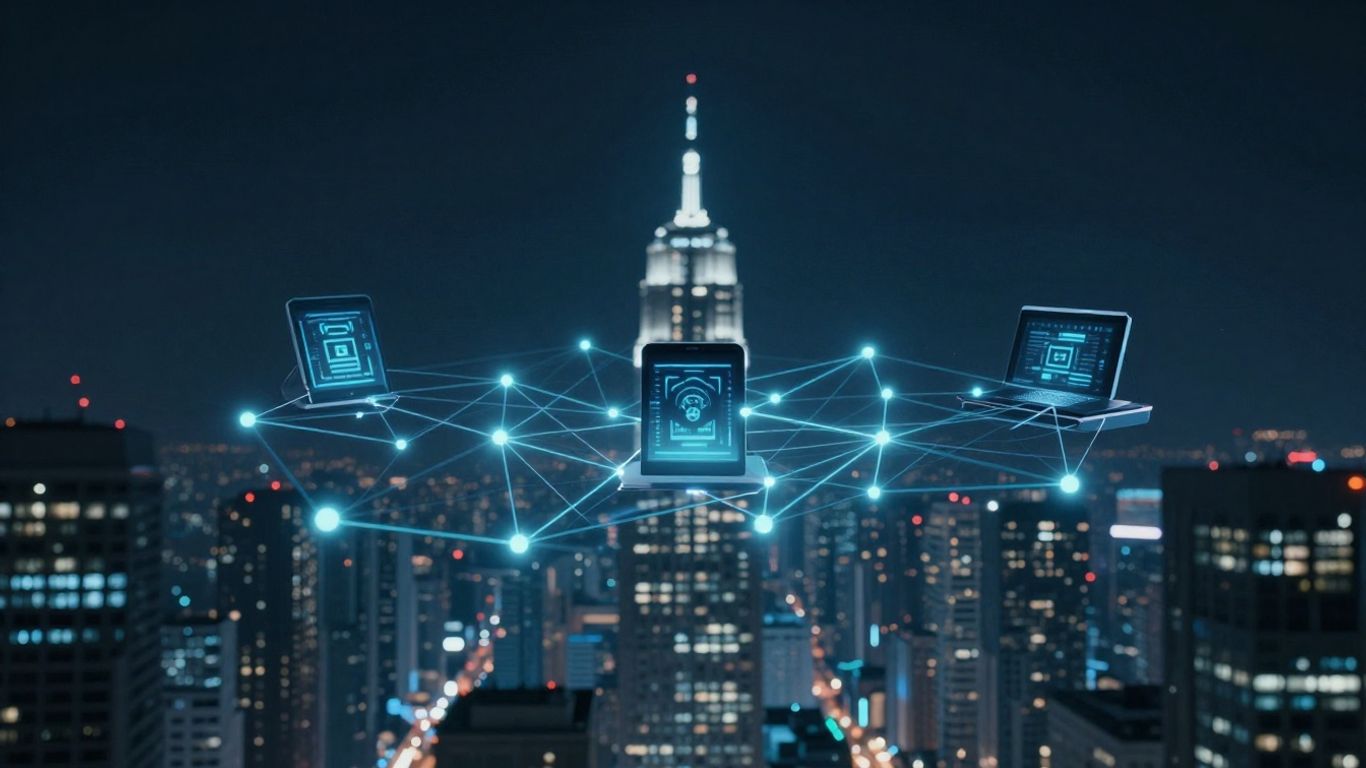
Integrating blockchain with the Internet of Things (IoT) isn’t just about making things more secure; it also brings some pretty significant financial and operational upsides. Think about it: when devices can talk to each other securely and transparently, a lot of the old middlemen and manual checks start to become less necessary. This can lead to some serious cost savings and make day-to-day operations run a lot smoother.
Reducing Costs Through Disintermediation
One of the biggest wins here is cutting out the intermediaries. In many current systems, you have various third parties involved in verifying transactions, managing data, or facilitating communication between different entities. Blockchain, with its distributed ledger and smart contract capabilities, can automate many of these functions. This means fewer fees, less administrative overhead, and a more direct relationship between the parties involved. For example, in a supply chain, instead of relying on multiple banks and verification services, a blockchain can record every step of a product’s journey, automatically triggering payments or approvals when certain conditions are met. This direct interaction cuts down on processing times and associated costs.
Improving Efficiency With Direct Interaction
When IoT devices are connected via a secure blockchain, they can interact directly and autonomously. This eliminates the need for human intervention in many routine tasks, speeding up processes significantly. Imagine a smart factory where machines can order their own supplies when inventory runs low, or a smart grid that automatically balances energy distribution based on real-time demand from connected appliances. These direct interactions, secured by blockchain, reduce delays, minimize errors, and allow for more dynamic and responsive operations. This automation is key to unlocking new levels of operational efficiency.
Minimizing Fraud And Associated Expenses
Fraud is a costly problem across many industries. Blockchain’s inherent immutability and transparency make it incredibly difficult to tamper with data or transactions. Once a record is added to the blockchain, it’s virtually impossible to alter or delete without the consensus of the network. This drastically reduces the risk of fraudulent activities, such as counterfeit goods entering a supply chain, unauthorized access to sensitive data, or manipulation of sensor readings. By minimizing fraud, businesses can avoid significant financial losses, legal penalties, and damage to their reputation. The trust built into the system also means less money needs to be spent on fraud detection and prevention measures.
The shift towards a blockchain-enabled IoT ecosystem promises a future where operational friction is minimized, and economic value is retained by the direct participants rather than being siphoned off by intermediaries. This creates a more streamlined, cost-effective, and trustworthy environment for businesses and consumers alike.
Here are some of the key benefits:
- Reduced Transaction Fees: Eliminating intermediaries often means cutting out their associated fees.
- Faster Processing Times: Automated processes and direct device-to-device communication speed up operations.
- Enhanced Data Integrity: Immutable records prevent data tampering and fraud.
- Lower Administrative Costs: Automation reduces the need for manual oversight and record-keeping.
- Increased Trust and Transparency: Shared, verifiable ledgers build confidence among participants.
Looking Ahead
So, we’ve seen how putting blockchain and the Internet of Things together can really make things better, especially when it comes to security and how smoothly things run. IoT devices create a ton of data, but they can be a bit shaky security-wise. Blockchain, on the other hand, is super secure but needs a lot of data to work its best. When you combine them, they sort of fill in each other’s gaps. This partnership is already showing up in places like tracking goods in supply chains, making self-driving cars safer, and even helping cities run more efficiently. It’s not just about protecting information; it’s about building more trust in the systems we use every day. As these technologies keep developing, we can expect even more clever ways they’ll work together to solve problems and create new possibilities.
Frequently Asked Questions
What is the Internet of Things (IoT) and why does it need better security?
The Internet of Things, or IoT, is like a giant network of everyday objects that can connect to the internet. Think of smart speakers, watches, or even refrigerators. These devices can collect and share information. However, because so many devices are connected, they can be easy targets for hackers who want to steal information or cause trouble. This is why making IoT devices more secure is very important.
How does blockchain help make IoT devices safer?
Blockchain is a special way of recording information that is very hard to change. It works like a shared digital notebook that many people have a copy of. When IoT devices use blockchain, their information is stored in a way that’s protected. This means it’s much harder for someone to sneak in and change data or pretend to be a device they’re not. It also helps devices talk to each other more securely.
What does ‘decentralization’ mean for IoT security with blockchain?
Normally, many systems rely on one main computer to manage everything. If that computer gets hacked, the whole system is in danger. Blockchain is ‘decentralized,’ meaning it’s spread out across many computers. This makes it much tougher for hackers to take down the whole system because there isn’t just one single point of failure. Each device can have its own secure identity, verified by the network.
Can you give an example of how blockchain and IoT work together in real life?
Imagine tracking a package as it travels from a factory to your home. IoT sensors on the package can record its location and temperature. This information is then stored on a blockchain. This creates a clear, unchangeable record that everyone involved, like the seller and the buyer, can see. This helps make sure the package wasn’t tampered with and arrived in good condition.
Are there any challenges when combining blockchain and IoT?
Yes, there are a few things to consider. Sometimes, making blockchain work with many IoT devices can be slow or use a lot of computer power, which is called scalability. Also, deciding where to store all the data collected by IoT devices and keeping it private is another important detail. Choosing the right type of blockchain for the job is also key.
What are the main benefits of using blockchain with IoT?
The biggest benefits are better security and more efficiency. By removing the need for middlemen, devices can interact directly and faster, which saves time and money. It also significantly reduces the chances of fraud and makes sure that information is trustworthy because it can’t be easily changed. This leads to smoother operations and saves costs.
The post Leveraging Blockchain and the Internet of Things for Enhanced Security and Efficiency appeared first on IntelligentHQ.
Read more here: https://www.intelligenthq.com/blockchain-and-internet-of-things/