The world is getting more connected every day, with devices talking to each other all the time. This Internet of Things, or IoT, is super useful, but it also creates big security headaches. Think about all the personal data these gadgets collect – it’s a lot. That’s where blockchain comes in. By combining these two technologies, we can build much safer systems for all our connected stuff. This article looks at how putting iot with blockchain together is changing how we protect data.
Key Takeaways
- Combining blockchain for internet of things creates more secure systems for connected devices.
- Blockchain’s decentralized nature helps fix IoT’s security weaknesses.
- This partnership makes data more trustworthy and harder to tamper with.
- Industries like supply chains and healthcare can benefit greatly from this secure data approach.
- While challenges like scalability exist, the benefits of blockchain for internet of things are significant for future data protection.
Understanding The Synergy Of Blockchain For Internet Of Things
What Is The Internet Of Things?
The Internet of Things, or IoT, is essentially about connecting everyday objects to the internet. Think about your smart thermostat at home, the fitness tracker on your wrist, or even the sensors on a factory floor. These devices are designed to collect information and share it, making our lives a bit easier and our systems run more smoothly. The number of these connected devices is growing at a really fast pace. We’re talking about billions of them, all communicating with each other and with us.
The Role Of Blockchain Technology
Blockchain technology is a bit different. Imagine it as a shared digital record book that’s incredibly secure and open for everyone to see. Every entry or piece of data added to this book is permanent and very hard to change. This makes it a solid way to keep things honest and safe, especially when it comes to tracking transactions, but its uses go much further than just money.
A Powerful Combination For Data Security
When you bring these two together – the huge network of IoT devices and the secure, transparent nature of blockchain – you get a really strong partnership for data security. It’s like giving every single one of those billions of connected devices its own secure storage and a logbook that can’t be tampered with. This combination helps tackle some of the biggest worries we have about IoT, particularly around keeping all that data safe and sound. By using blockchain, we can build a more dependable and trustworthy system for the ever-growing world of connected devices.
Here’s how they work together:
- Secure Data Exchange: Blockchain offers a safe way for IoT devices to talk to each other and share data, stopping unauthorized access or changes.
- Tamper-Proof Records: Every bit of data from an IoT device can be recorded on the blockchain, creating a permanent history that proves where the data came from and that it hasn’t been altered.
- Decentralized Trust: Instead of relying on a single company or server to manage everything, blockchain spreads the information across many computers. This means there’s no single point of failure, making IoT networks much more reliable and less likely to go down.
Integrating blockchain with IoT addresses many of the security and trust issues that arise from having so many devices connected. It creates a more robust framework for managing the vast amounts of data generated by these devices, making systems more dependable and secure.
Enhancing Security And Trust With Blockchain For Internet Of Things
The rapid growth of the Internet of Things (IoT) has brought us incredible convenience, with devices managing everything from our home temperatures to complex industrial operations. However, this interconnectedness also opens doors to security risks. Many current IoT systems rely on a central server, which can become a single point of failure. If that server is breached, the entire network can be compromised, leading to data loss or service interruptions. This is where blockchain technology steps in, offering a fundamentally different approach.
Ensuring Data Integrity And Trust
Keeping the data generated by IoT devices accurate and reliable is incredibly important. As data travels from a device to its destination, it can be vulnerable to tampering. Imagine a smart meter reporting energy usage; if that data is altered, it could lead to incorrect billing or flawed analysis. Blockchain’s ledger is like a digital notebook where every entry is permanent and verifiable. Once a piece of data is recorded, it’s virtually impossible to change. This immutability means you can always trust that the information hasn’t been messed with since it was logged. This transparency builds confidence in the data, which is vital for making good decisions.
- Tamper-Proof Records: Every data point from an IoT device can be logged on the blockchain, creating a permanent history.
- Verifiable Origin: You can confirm where the data came from and that it hasn’t been altered.
- Increased Confidence: This makes the data more reliable for analysis and decision-making.
Decentralization For Resilience
Instead of relying on a single central server, blockchain distributes data and control across many computers, or nodes, in a network. This decentralized structure means there’s no single point of failure. If one node goes offline or is attacked, the rest of the network keeps running smoothly. This makes the entire system much more resilient and less susceptible to widespread outages or attacks. It also means devices can interact and share information more securely, building trust between them without needing a middleman. This distributed nature is a significant upgrade from traditional centralized IoT architectures.
Relying on a central server for IoT data management creates a significant vulnerability. A successful attack on this single point can compromise the entire network, leading to data breaches or service disruptions. Blockchain’s decentralized model effectively eliminates this risk by distributing data and control across multiple nodes, thereby enhancing overall system security and resilience.
Cryptography For Privacy
Blockchain uses advanced cryptographic techniques to protect the data recorded on its ledger. This means that sensitive information is scrambled in a way that only authorized parties can decipher it. When IoT devices communicate and share data using a blockchain, this cryptography helps keep that information private and authentic. It acts as a strong shield against unauthorized access, making sure that only the intended recipients can view or use the data. This is particularly important for applications handling personal or confidential information, such as in healthcare or smart home systems. You can learn more about securing your business’s cloud data by implementing strong security features [6e66].
The Role Of Blockchain For Internet Of Things In Various Industries
The combination of blockchain technology and the Internet of Things (IoT) is really starting to change how different businesses operate. Think about it: you have all these devices connected, sharing information, but how do you make sure that information is safe and accurate? That’s where blockchain steps in, offering a way to build trust and security into these vast networks.
Revolutionizing Supply Chain Management
In supply chains, keeping track of goods from start to finish can be a real headache. Blockchain and IoT together can make this process much clearer. Imagine a product moving from a farm to your table. IoT sensors can record details like temperature, location, and handling at each step. This information is then logged onto a blockchain, creating a permanent, unchangeable record. This means we can easily see where a product came from, how it was treated, and if it’s genuine. This level of transparency helps fight counterfeit goods and builds more confidence for everyone involved.
Here’s a quick look at how it helps:
- Tracking Goods: Every movement and condition is recorded, making it easy to follow a product’s journey.
- Authenticity: Proving a product is real and hasn’t been tampered with becomes straightforward.
- Efficiency: Reducing paperwork and manual checks speeds up the whole process.
- Consumer Trust: People can see exactly where their products come from, leading to more informed choices.
The ability to verify the origin and journey of goods not only benefits businesses by reducing fraud but also empowers consumers with knowledge about the products they purchase, promoting ethical sourcing and quality assurance.
Transforming The Healthcare Industry
Healthcare deals with sensitive information, and keeping patient data secure is incredibly important. Blockchain and IoT can work together to create a more secure and efficient healthcare system. IoT devices, like wearable health monitors or hospital equipment, can collect vital patient data. This data can then be securely stored and managed on a blockchain. This means patient records are protected from unauthorized access and can only be shared with explicit consent.
- Secure Patient Records: Keeping medical histories safe and accessible only to authorized personnel.
- Remote Monitoring: Allowing doctors to track patient health remotely with reliable data.
- Drug Traceability: Ensuring the authenticity and safety of medications throughout the supply chain.
- Streamlined Access: Making it easier for patients to control and share their health information.
Boosting Smart City Initiatives
Smart cities use IoT devices to manage everything from traffic lights and energy grids to waste management and public safety. When you add blockchain to this, you create a more secure and reliable infrastructure. For example, smart meters in homes could securely report energy usage to the grid, and blockchain could manage the transactions and data integrity. This makes the city’s systems more resilient and transparent.
- Secure Infrastructure Management: Protecting critical city services from cyber threats.
- Efficient Resource Allocation: Better management of energy, water, and waste based on real-time, trusted data.
- Transparent Governance: Providing citizens with verifiable information about city operations.
- Enhanced Public Safety: Secure data sharing for emergency services and law enforcement.
By applying blockchain to IoT in these areas, we’re not just improving security; we’re building more trustworthy and efficient systems for everyday life.
Navigating Challenges In Blockchain For Internet Of Things Implementation

While the idea of combining blockchain with the Internet of Things (IoT) sounds like a perfect match for security and transparency, it’s not always a simple plug-and-play situation. There are definitely some hurdles we need to clear before it becomes a standard setup, and it requires a thoughtful approach.
Addressing Scalability Concerns
One of the biggest headaches is how to handle the sheer number of devices. IoT networks can grow to include millions, even billions, of connected things. Traditional blockchain systems, especially those that use a lot of computing power to verify transactions, can get bogged down. Imagine a highway with too many cars – everything slows to a crawl. We’re seeing new approaches like sharding (splitting the network into smaller pieces) and off-chain transactions (doing some work away from the main blockchain) being developed to speed things up. It’s a work in progress, but these methods aim to let the network grow without breaking.
Navigating Privacy Considerations
With blockchain’s transparent nature, keeping sensitive data private can be a challenge. However, innovative techniques like zero-knowledge proofs and homomorphic encryption are being developed to protect data without compromising privacy. These methods strike a balance between keeping information confidential and maintaining blockchain’s open architecture. It’s about finding that balance so the security solution doesn’t create a new problem.
Overcoming Integration Complexity
Getting blockchain to work with existing IoT systems isn’t always straightforward. Many IoT devices were built without blockchain in mind, meaning they might not have the capacity or the right software to communicate with a blockchain network. This often means updating hardware, rewriting software, or even replacing devices altogether. This is a significant undertaking that requires careful planning and investment. For businesses, this means figuring out the cost versus the benefit of upgrading their entire setup. Staying informed about new developments is key here.
The Future Outlook Of Blockchain For Internet Of Things
Predicted Trends And Adoption
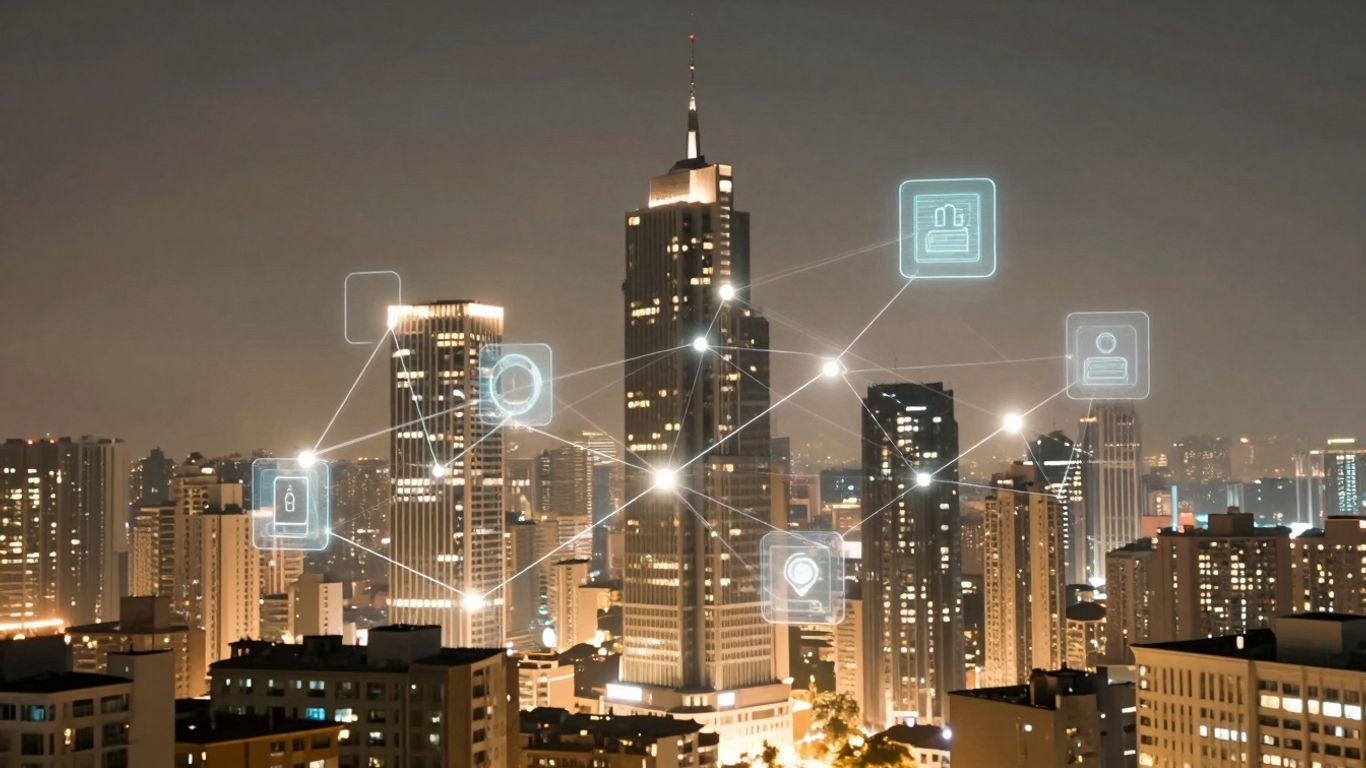
As we look ahead, the integration of blockchain with the Internet of Things (IoT) is set to become more common. We can expect to see more industries, like logistics and agriculture, start using this technology. Think about supply chains where every step a product takes is recorded permanently on a blockchain. This makes it easy for everyone involved to see what happened, reducing arguments and making companies more accountable. Also, blockchain and AI are likely to work together more. This means IoT devices could make smarter decisions on their own, using secure and verified data. This could lead to smoother operations and new ways of doing business.
Potential In Emerging Markets
Regions that are still developing can really benefit from blockchain-powered IoT. These places often have unique issues with infrastructure, trust, and openness. Blockchain IoT can help by providing secure and verifiable records for important processes. For example, in farming, it can track crops and how they get to market, making sure farmers get fair prices and customers get real products. In healthcare, it could keep patient information safe and make it easier to get medical help. The ability of blockchain to reduce dishonesty and build trust makes it a useful tool for economic growth and improving people’s lives.
The Evolution Of Connected Devices
The way we think about connected devices will change. As blockchain becomes a regular part of IoT, devices will be built with security and managing data in a decentralized way from the start. This means devices will be able to talk to and exchange information directly with each other, without needing a middleman. This shift will allow for more complex and advanced IoT systems, driving new ideas in areas like self-driving vehicles, smart power grids, and personalized services. The focus will move towards creating strong, self-managing networks of devices that can work reliably and safely in our increasingly connected world.
The combination of IoT and blockchain offers a more secure way to handle the vast amounts of data generated by our connected devices. It addresses many of the vulnerabilities present when numerous gadgets communicate with each other. By utilizing blockchain’s distributed and unchangeable records, we can build greater confidence in the information IoT devices share. This is not just about protecting data; it’s about ensuring the dependability and safety of the systems we rely on.
Here’s a look at some key areas of growth:
- Increased Automation: Devices will perform more tasks autonomously based on verified data.
- Enhanced Interoperability: Devices from different manufacturers will communicate more effectively.
- New Business Models: Opportunities for services based on secure, shared data will emerge.
- Greater Consumer Trust: Transparency in data handling will build confidence in IoT products.
Looking Ahead: A More Connected and Secure Future
So, we’ve seen how bringing together the Internet of Things and blockchain technology really changes the game for how we handle all the data from our connected devices. It fixes a lot of the weak spots that come with so many gadgets talking to each other all the time. By using blockchain’s distributed and unchangeable records, we can build more trust in the information IoT devices share. This isn’t just about protecting data; it’s about making sure the systems we rely on are dependable and safe. As more industries start using this approach, we can expect to see more secure, efficient, and open operations everywhere. It’s an exciting time for connected technology, and the path forward looks much more secure.
Frequently Asked Questions
What exactly is the Internet of Things (IoT)?
The Internet of Things, or IoT for short, is like a giant network where everyday objects are connected to the internet. Think of your smart watch, your smart home thermostat, or even sensors in a factory. These items can collect information and share it, making our lives easier and our systems work better.
How does blockchain help make IoT more secure?
Blockchain acts like a super secure digital notebook that’s shared among many computers. When IoT devices record information, blockchain makes sure it’s almost impossible to change or fake. This means the data from your connected devices is much safer and more trustworthy.
Why is combining IoT and blockchain a big deal?
Putting IoT and blockchain together creates a powerful way to handle all the information from connected devices. It helps fix many of the security problems that come with so many gadgets talking to each other. This partnership makes the data more reliable and harder to mess with.
Can you give an example of how this helps in real life?
Sure! Imagine tracking food from a farm to your table. Blockchain can record every step, making sure the food is real and handled correctly. This helps farmers get fair prices and ensures you get authentic products. It builds trust throughout the whole process.
Are there any difficulties in using blockchain with IoT?
Yes, there are a couple of main challenges. One is making sure the system can handle the huge amount of information from billions of devices without slowing down. Another is protecting private information, since blockchain is usually very open.
What does the future look like for this technology?
The future is bright! We expect more and more industries to use this secure way of connecting devices. Devices will likely be built with security as a top priority from the start, allowing them to work together safely and smartly without needing a central boss.
The post Securing the Future: How Blockchain for Internet of Things is Revolutionizing Connectivity appeared first on IntelligentHQ.
Read more here: https://www.intelligenthq.com/blockchain-for-internet-of-things-3/