Information of communication technology, often shortened to ICT, is a huge part of how we live and work today. It covers all the tools and systems we use to share and get information, from the phones in our pockets to the vast networks that connect us globally. This guide aims to break down what ICT really means, how it’s changing different parts of our world, and what we can expect in the future. It’s all about understanding the technology that keeps us connected and informed.
Key Takeaways
- Information of communication technology refers to all tools and systems used to handle and share information, including hardware, software, and networks.
- ICT has significantly changed how businesses operate, how we learn, and how healthcare is provided.
- The main benefits of using ICT include better communication, increased efficiency, and easier access to information.
- Adopting ICT can present challenges such as costs, resistance to new methods, and the need for strong security measures.
- The future of ICT involves new technologies that will continue to shape society and our interactions.
Understanding Information of Communication Technology
Defining Information and Communication Technology
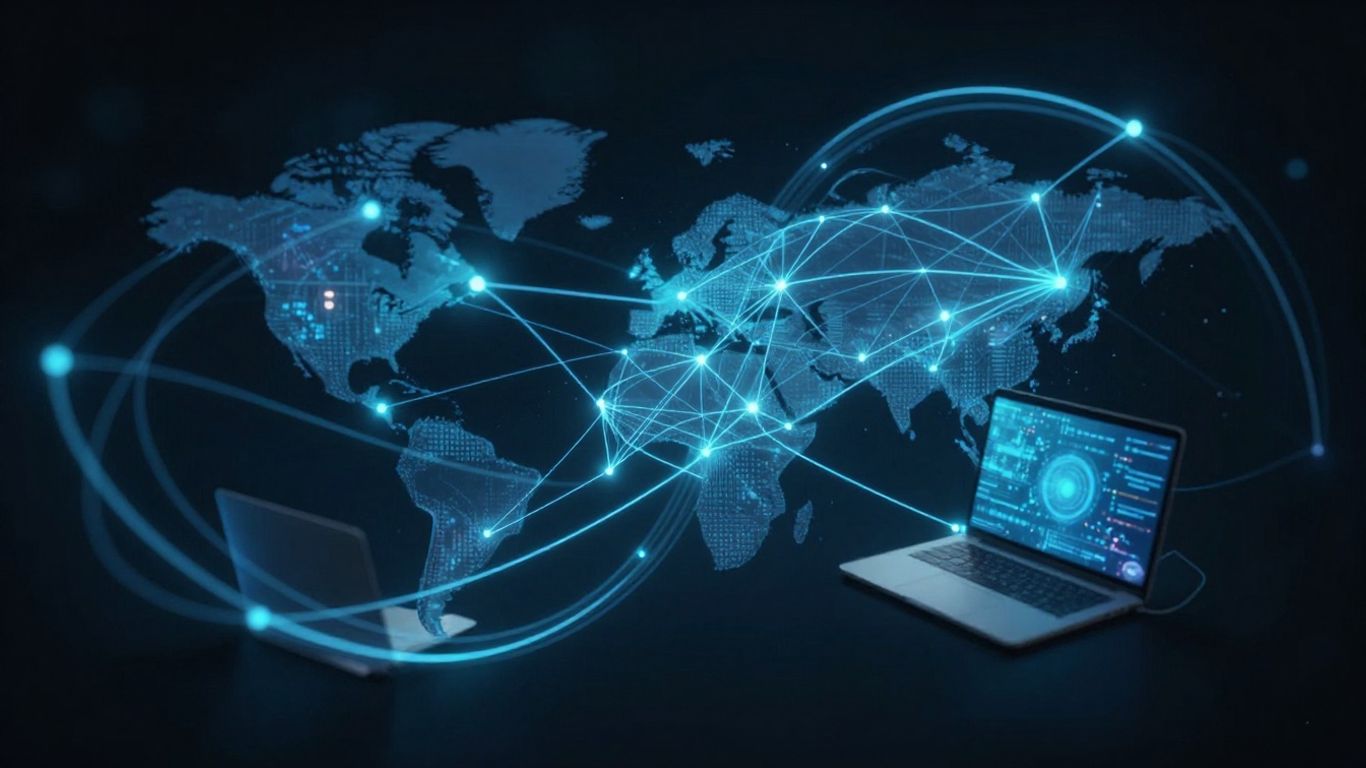
Information and Communication Technology, or ICT, is a term that covers all the tools and systems we use to handle information. Think of it as the umbrella for everything related to computers, managing data, making phone calls, and using the internet. At its core, ICT is about how we send and receive information. It’s not just one thing; it’s a whole collection of technologies that work together.
ICT combines both information technology and communication technology. This means it includes the physical parts like computers and phones (hardware), the programs that run on them (software), and the ways they connect to each other (networks). It also covers how we share and interact with information, whether that’s through text, images, or video. Essentially, ICT is the infrastructure that allows us to create, store, process, and share information.
The Evolving Landscape of ICT
The world of ICT is always changing. What was cutting-edge a few years ago might seem old-fashioned now. New devices, faster internet, and smarter software pop up constantly. This rapid evolution means ICT touches almost every part of our lives, offering new ways to connect, learn, and get things done.
Here are some key areas that show how much ICT has grown:
- Communication: From simple phone calls to video conferences and instant messaging, ICT has made staying in touch easier and cheaper than ever. Voice over Internet Protocol (VoIP) is a great example, letting us make calls over the internet for much less than traditional phone lines.
- Information Access: We can now find information on almost any topic instantly through the internet. Smartphones put a world of knowledge right in our pockets.
- Business: Online shopping and digital services have transformed how we buy and sell goods.
ICT vs. Information Technology (IT)
People often use ICT and Information Technology (IT) interchangeably, but there’s a slight difference. IT usually focuses more on the computing side – the hardware, software, and systems that store and process information. ICT, on the other hand, includes IT but also adds the communication aspect. So, while IT might be about building a computer system, ICT is about how that system connects and communicates with others, whether through networks or telecommunications.
It’s helpful to see ICT as the bigger picture, where communication is a key part of how we use technology to share and manage information. The constant development in ICT means it’s not just about the technology itself, but also how we use it responsibly. We need to think about how these tools affect us and the world around us.
Core Components of Information Communication Technology
Information and Communication Technology (ICT) is built upon several key elements that work together to enable the flow and management of information. Understanding these components is like knowing the building blocks of our digital world.
Essential Hardware and Devices
At the most basic level, ICT relies on physical tools. These are the things you can see and touch. This includes computers, from the desktop on your desk to the powerful servers that run websites and applications. It also covers all the bits and pieces that make them work, like processors, memory chips, and storage drives. Beyond traditional computers, ICT encompasses a wide array of devices we use daily. Smartphones, tablets, smart TVs, digital cameras, and even GPS devices are all part of this hardware landscape. These devices are our primary interface for creating, accessing, and interacting with digital information.
The Role of Software and Applications
Hardware, by itself, can’t do much. It needs instructions. That’s where software comes in. Software is the set of programs and instructions that tell hardware what to do. This starts with operating systems, like Windows, macOS, or Android, which manage the computer’s or device’s basic functions. Then there are applications, often called ‘apps.’ These are designed for specific tasks. Think of word processors for writing, web browsers for surfing the internet, or specialized business programs. These applications are the tools we use to get things done, communicate, and manage our information.
Networks and Connectivity
Information rarely stays in one place; it needs to travel. Networks are the systems that allow devices to connect and share data. This can be as simple as your home Wi-Fi connecting your laptop and phone, or as vast as the global internet. We use wired connections, like Ethernet cables, and wireless options, such as Wi-Fi and cellular data. These networks act as the highways for digital information, enabling communication and data transfer between devices and users, no matter their location. The ability to connect is what makes ICT so powerful for collaboration and sharing.
Data Management and Storage
All the information we create and share needs to be stored and managed properly. Data management involves organizing, protecting, and processing data so it’s accessible and useful. This can happen on individual devices, on local servers within an organization, or increasingly, in the cloud. Cloud storage, for example, lets us keep large amounts of data on remote servers, accessible from anywhere with an internet connection. Good data management is key to keeping information secure, making sure we can find it when we need it, and using it to gain insights.
The combination of hardware, software, networks, and data management creates the foundation for how we communicate, process, and share information today. It’s not just about the individual parts, but how they work together in a connected system.
Transformative Impact of ICT Across Sectors
ICT in Business and Commerce
Information and Communication Technology has fundamentally changed how businesses operate and how we buy and sell things. From the corner store to huge international companies, ICT tools are now a big part of everyday work. Think about online shopping – it’s a massive part of our lives now. It’s not just about putting items on a website; it involves managing stock, handling payments, and reaching customers no matter where they are. Businesses use ICT for managing customer interactions, integrating different parts of the company like finance and human resources, and keeping track of supplies. Tools like email, instant messaging, and video calls make it much simpler for teams to work together, even if they’re in different places.
- Streamlined Operations: ICT helps automate simple, repetitive tasks, cutting down on manual work and mistakes.
- Global Reach: Companies can now connect with customers and suppliers all over the world, removing distance as a barrier.
- Data-Driven Decisions: Getting information right away helps businesses understand market trends, what customers want, and how well things are running.
- New Business Models: ICT has made entirely new ways of doing business possible, like subscription services or the gig economy.
The way businesses use ICT has gone beyond just simple transactions. It’s now about creating connected systems where everything works together smoothly.
Revolutionizing Education Through ICT
Education has seen a huge shift because of ICT. Learning isn’t just stuck in classrooms with textbooks anymore. Students and teachers now have access to a vast amount of digital information. Online learning platforms provide access to knowledge from anywhere, and mobile apps can even offer educational materials when the internet isn’t available. This technology helps make education more accessible, especially for people in remote areas or those facing difficult circumstances. It allows for personalized learning paths and can make complex subjects easier to grasp through interactive tools and multimedia content.
- Wider Access: Digital tools can bring educational opportunities to people in remote locations or those who can’t attend traditional schools.
- Engaging Content: Interactive simulations, videos, and online quizzes can make learning more interesting and effective.
- Flexible Learning: Students can learn at their own pace and on their own schedule, fitting education around other commitments.
Enhancing Healthcare Access and Delivery
ICT is making a big difference in healthcare, especially for people who don’t live near major medical centers. Mobile health (mHealth) tools, remote doctor visits (telemedicine), and digital patient records are changing how healthcare is provided. For example, community health workers in rural areas can use tablets to record patient information and get advice from doctors far away. This means people can get care closer to home. Digital health records also mean that a patient’s medical history is easily accessible to different doctors, leading to better-coordinated care. Furthermore, ICT helps in managing public health information, tracking disease outbreaks, and educating people about health and wellness.
- Remote Consultations: Telemedicine allows patients to see doctors without traveling, saving time and money.
- Improved Record Keeping: Digital health records are more organized and accessible, reducing errors and improving care coordination.
- Health Education: Mobile apps and online resources can provide important health information to communities.
The integration of technology in healthcare is not just about convenience; it’s about making quality medical services reachable for more people, regardless of where they live.
Navigating the Challenges of ICT Adoption
Bringing new information and communication technologies into play isn’t always a walk in the park. While the advantages are pretty clear, there are definitely some hurdles to get over. Understanding these bumps in the road is the first step to smoothing them out.
Investment and Ongoing Costs
Getting new tech often means a pretty big upfront payment. We’re talking about buying computers, servers, software, and making sure you have a solid internet connection. But that’s just the start. There are also regular bills for software updates, keeping things running, and paying for cloud services. It’s a bit like getting a new car; the price tag is only the beginning. You’ve also got fuel, insurance, and repairs to think about.
Addressing Resistance to Change
People tend to stick with what they know. When new systems come in, it can feel disruptive, and some folks might not be too keen. This isn’t usually because they’re trying to be difficult, but more because they’re worried about learning something new, think it might make their job harder, or even worry about their job being replaced by automation. Good training and showing how the new tech actually makes things easier are key here.
Ensuring Cybersecurity and Data Privacy
As we use digital systems more and more, keeping our information safe becomes really important. Online threats are always changing, and a security problem can be a big deal. It can lead to stolen data, money loss, and a damaged reputation. Keeping systems secure and making sure personal information is handled right is a constant job that needs ongoing attention and money.
Bridging the Digital Divide
Not everyone has the same access to technology or the skills to use it. This gap, often called the digital divide, can leave some groups or areas behind. Whether it’s because of cost, lack of infrastructure, or not enough digital know-how, it means the good things about ICT aren’t shared equally. Efforts to give more people access and training are vital to make sure everyone can be part of our increasingly digital world.
The journey of adopting new technology is rarely without its bumps. It requires careful planning, resources, and a willingness to adapt. Ignoring these challenges can lead to failed implementations and missed opportunities.
The Future of Information Communication Technology
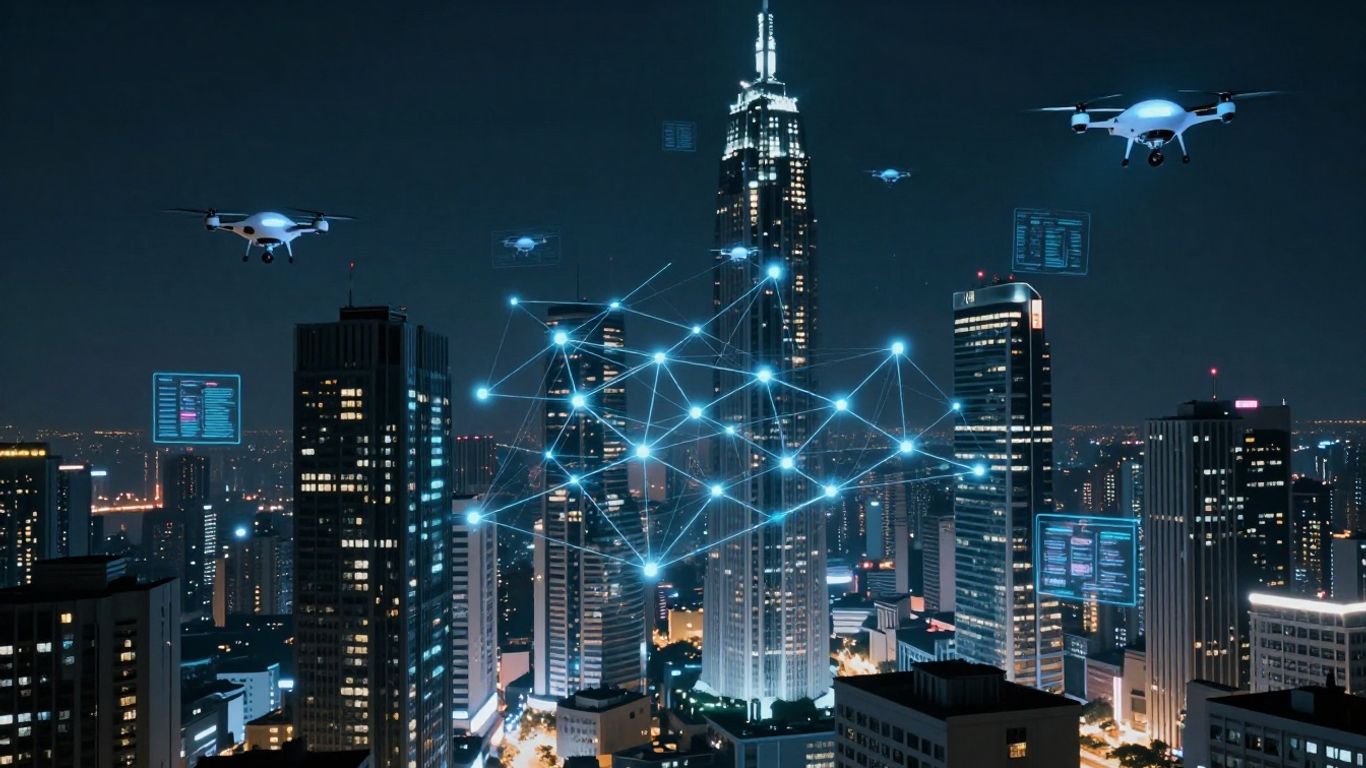
As we look ahead, the world of Information Communication Technology (ICT) is set to continue its rapid evolution, bringing about changes that will reshape how we live, work, and interact. The pace of innovation shows no signs of slowing down, and understanding these emerging trends is key to staying ahead.
Emerging Technologies in ICT
The next wave of ICT will be driven by several key technologies. Artificial Intelligence (AI) and Machine Learning (ML) are moving beyond simple automation to enable more sophisticated decision-making and personalized experiences. Think of AI assisting in complex medical diagnoses or ML algorithms optimizing energy grids in real-time. The Internet of Things (IoT) will continue to expand, connecting billions of devices and generating vast amounts of data that can be analyzed for insights. This interconnectedness will create smarter homes, cities, and industries. Furthermore, advancements in areas like 5G and future wireless technologies will provide the high-speed, low-latency connectivity needed to support these complex systems.
- Artificial Intelligence (AI) and Machine Learning (ML): Enabling smarter automation and personalized services.
- Internet of Things (IoT): Connecting devices to create more responsive environments.
- 5G and Beyond: Providing the high-speed infrastructure for advanced applications.
- Quantum Computing: Holding the potential for revolutionary breakthroughs in processing power.
Sustainability and Responsibility in ICT
With the growing power and reach of ICT comes a greater responsibility. The environmental impact of technology, from energy consumption in data centers to the disposal of electronic waste, is becoming a significant concern. The future will see a stronger focus on developing and implementing sustainable ICT practices. This includes designing energy-efficient hardware, promoting the circular economy for electronics, and using ICT itself to monitor and manage environmental resources more effectively. Ethical considerations, such as algorithmic bias and the responsible use of data, will also be at the forefront, requiring careful thought and regulation.
The development and deployment of new technologies must be balanced with a mindful approach to their environmental and societal consequences. Proactive measures are needed to mitigate negative impacts and ensure that technological progress benefits everyone.
The Societal Impact of Evolving ICT
The ongoing transformation driven by ICT will continue to have profound effects on society. We can expect further shifts in the job market, with new roles emerging and others evolving. Lifelong learning and adaptability will become even more important for individuals. The way we access information, engage in civic life, and build communities will be further shaped by digital platforms. While these changes offer immense opportunities for connection and progress, they also highlight the need to address issues like the digital divide, ensuring that everyone has access to the benefits of technology and the skills to use it effectively. The goal is to harness ICT’s potential to create a more inclusive, equitable, and sustainable future for all.
Wrapping Up Our ICT Journey
So, we’ve looked at what Information and Communication Technology, or ICT, really is. It’s basically all the tools and systems that help us create, share, and use information. From the phones in our pockets to the networks that connect us globally, ICT is everywhere. It helps us work better, learn more, and stay in touch. But as we use these powerful tools, it’s also good to remember that we need to think about how we use them safely and responsibly. Keeping data private and being aware of our impact is important as technology keeps changing. Thanks for joining us on this exploration of ICT!
Frequently Asked Questions
What is Information and Communication Technology (ICT)?
Information and Communication Technology, or ICT, is a broad term that covers all the tools and services we use to handle information. Think of it as the umbrella for everything related to computers, managing data, making phone calls, and using the internet. At its heart, ICT is about how we send and receive information. It’s not just one thing; it’s a whole collection of technologies that work together, including hardware, software, and networks.
Why is ICT so important in today’s world?
ICT is incredibly important because it makes it much easier and faster for us to connect with each other, work together on projects, and find the information we need. It helps businesses run more smoothly, makes learning more engaging, and even assists healthcare professionals in providing better care. Essentially, ICT makes many aspects of our lives more convenient and interconnected.
Can you give some everyday examples of ICT?
You probably use ICT every single day without even realizing it! Devices like your smartphone, the internet, email, social media applications, video calls, computers, and even smart TVs are all examples of ICT. It also includes the systems that link these devices together, such as Wi-Fi and mobile data networks.
How does ICT help students and education?
ICT has really changed the way we learn. It gives students access to a huge amount of online resources, like educational videos and articles, and makes it possible to take classes online. It also helps teachers communicate better with their students and simplifies school tasks, such as keeping student records.
What are some common challenges when adopting new ICT?
Bringing new technology into use can sometimes be difficult. There are often significant costs involved in buying and maintaining the technology, and people might find it challenging to learn new systems at first. It is also crucial to address concerns about keeping personal information safe online and ensuring that everyone has a chance to access and use these technologies, regardless of their location.
What does the future hold for ICT?
The future of ICT looks very exciting! We can expect to see new technologies like artificial intelligence and the Internet of Things become even more common. These advancements will likely lead to smarter devices, more personalized experiences, and new ways of solving problems. There will also be a growing focus on making technology more environmentally friendly and ensuring that everyone can benefit from its progress.
The post Understanding Information of Communication Technology: A Comprehensive Guide appeared first on IntelligentHQ.
Read more here: https://www.intelligenthq.com/information-of-communication-technology/