The world of connected devices, known as the Internet of Things (IoT), is growing fast. But keeping all that data safe and making sure systems work smoothly has been a big puzzle. Now, a technology called blockchain is stepping in to help solve it. Think of blockchain as a super secure digital notebook that lots of people share. When you link this with IoT devices, you get a system that’s much more secure, open, and efficient. This article looks at how this combination, often called blockchain for IoT, is changing how things work.
Key Takeaways
- Blockchain for IoT connects the security and openness of blockchain with the data from connected devices.
- This pairing makes IoT systems much more secure, making them harder to hack.
- Industries like supply chains, healthcare, and energy are seeing big improvements in tracking, data handling, and how smoothly things run.
- Main benefits include much better data protection, clear views of transactions, and lower running costs.
- While there are still some issues to sort out, like handling lots of data, the future looks bright for blockchain for IoT becoming more common.
Understanding The Power Of Blockchain For IoT
What Is Blockchain For IoT?
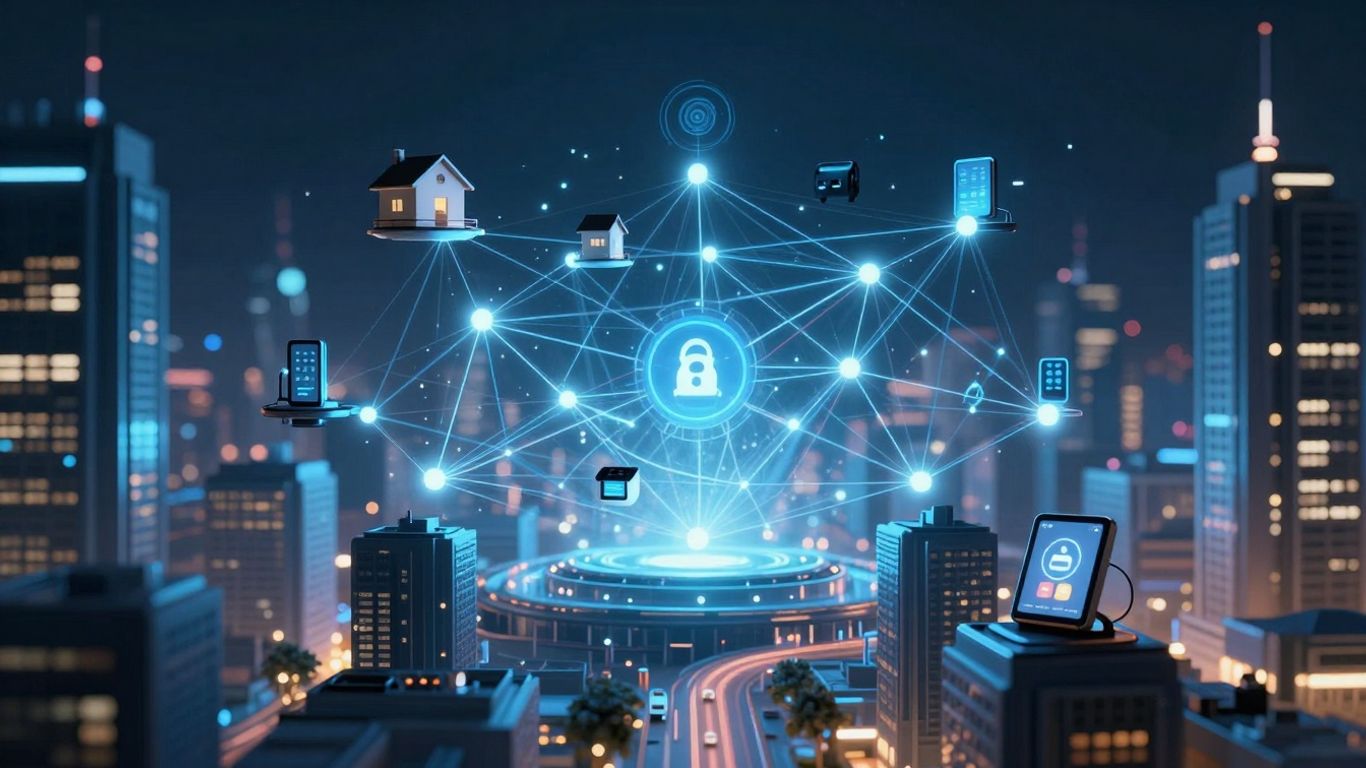
Think of the Internet of Things (IoT) as a massive network of devices, from your smart home gadgets to complex industrial sensors, all constantly gathering and sharing information. Now, imagine adding blockchain technology to this network. That’s essentially what Blockchain for IoT is: the integration of these two powerful technologies. Blockchain acts like a shared, digital ledger that’s incredibly secure and transparent. When IoT devices use blockchain, every piece of data they send or every action they take is recorded in a way that’s almost impossible to change or hack. This creates a system where devices can communicate and share information with a high degree of trust and security.
The Synergy Between Blockchain And IoT
The combination of blockchain and IoT isn’t just about putting two technologies together; it’s about creating something much stronger than the sum of its parts. IoT devices generate a huge amount of data, but traditional systems often struggle to manage it securely and transparently. Centralized servers can be weak points, making them vulnerable. Blockchain, on the other hand, is decentralized. This means data isn’t stored in one place but is spread across many computers. This distribution makes it much harder for hackers to attack the system.
- Decentralization: Data is spread across a network, removing single points of failure.
- Immutability: Once data is recorded on the blockchain, it cannot be altered or deleted.
- Transparency: All participants can view the transaction history, building trust.
This integration strengthens digital trust and enhances operational efficiency across industries—making IoT and blockchain one of the most transformative integrations of our time.
Core Benefits Of Integration
Integrating blockchain with IoT brings several key advantages that address many of the current challenges faced by connected systems. The primary benefit is a significant boost in security for the vast amounts of data generated by IoT devices.
Here are some of the core benefits:
- Enhanced Data Security: By using blockchain’s decentralized and immutable ledger, IoT data becomes far more resistant to tampering and unauthorized access. Each transaction is cryptographically secured and verified by multiple nodes on the network.
- Increased Transparency and Traceability: Every interaction and data point from an IoT device can be recorded on the blockchain, creating a clear and auditable trail. This allows for real-time tracking of assets and verification of data provenance.
- Improved Efficiency and Automation: Smart contracts, self-executing contracts with the terms of the agreement directly written into code, can automate processes based on data from IoT devices. This can streamline operations, reduce manual intervention, and speed up transactions.
- Reduced Costs: By eliminating intermediaries and automating processes, blockchain for IoT can lead to lower operational expenses and transaction fees. The increased security also reduces the costs associated with data breaches and recovery.
Fortifying Security In The Connected World
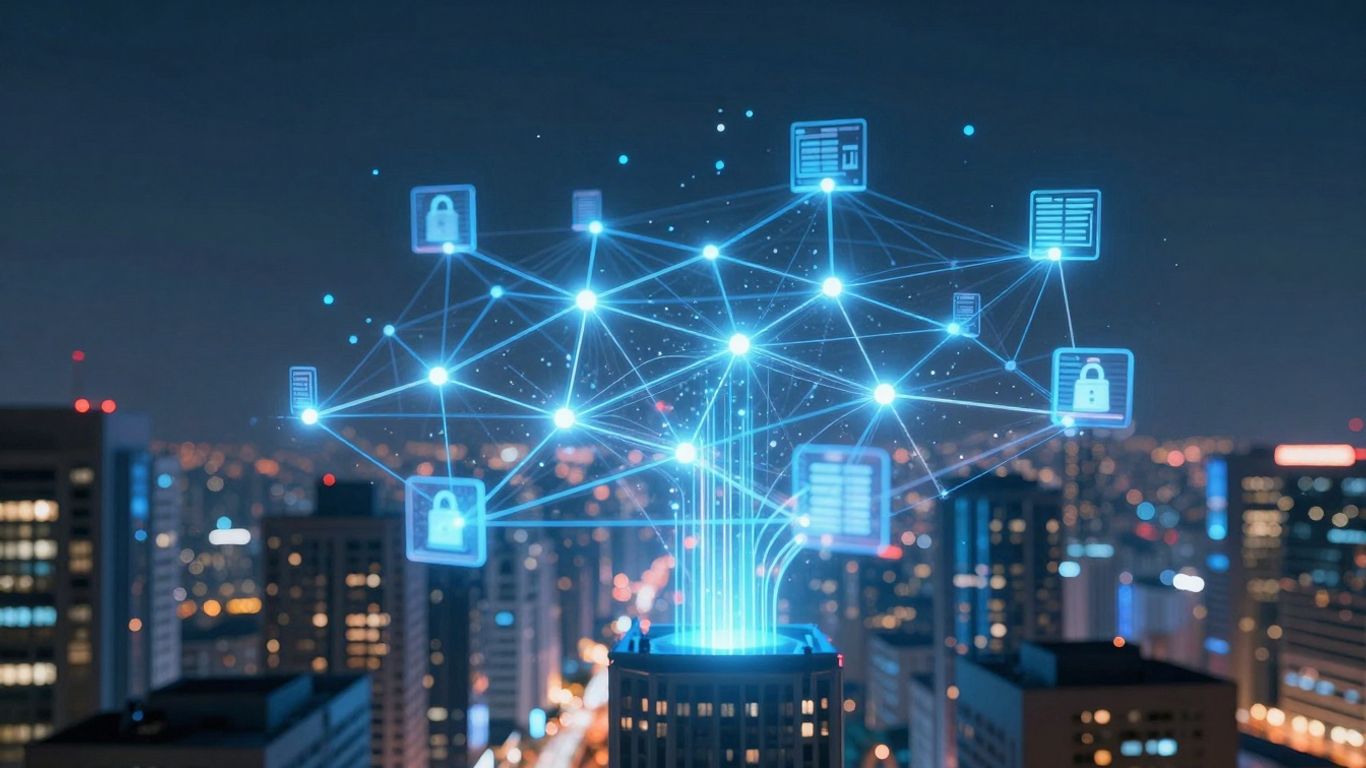
The explosion of connected devices, often referred to as the Internet of Things (IoT), has brought incredible convenience but also introduced significant security challenges. Traditional IoT setups frequently depend on a central server to manage data and device interactions. This creates a single point of failure, making the entire network vulnerable to cyberattacks. If a hacker breaches this central hub, they could potentially compromise a vast number of devices and sensitive information. It’s a bit like keeping all your important documents in one filing cabinet – if that cabinet is broken into, everything is exposed.
Enhanced Security Through Decentralization
Blockchain technology offers a fundamentally different and more robust approach to security. Instead of relying on a single central authority, blockchain distributes data across a network of computers. This decentralized structure means there isn’t one weak spot for attackers to target. Each transaction or data point is validated by multiple participants in the network, making it incredibly difficult for any single entity to manipulate or corrupt information. This distributed nature significantly reduces the risk of widespread breaches and unauthorized access. It’s a more resilient model, akin to having many independent guardians watching over your data rather than just one.
Immutable Records For Unwavering Trust
One of blockchain’s most powerful features is its ability to create immutable records. Once data is added to the blockchain, it cannot be altered or deleted. This creates a permanent, verifiable history of all device interactions and data exchanges. For IoT, this means you can trust the integrity of the information being generated and shared. Every data point is cryptographically linked to the previous one, forming a chain that is extremely difficult to break or tamper with. This unwavering trust is vital for applications where data accuracy is paramount, such as in supply chain management.
Advanced Encryption And Access Control
Beyond decentralization and immutability, blockchain integrates advanced encryption techniques to protect data. This ensures that only authorized parties can access specific information. Smart contracts, which are self-executing agreements written in code, can also be used to manage access permissions dynamically. This means devices can securely communicate and share data directly with each other, without needing a central intermediary to verify every step. This peer-to-peer interaction, secured by blockchain, streamlines operations and builds a more trustworthy ecosystem for connected devices.
The shift towards decentralized security models in IoT is not just about preventing breaches; it’s about building a foundation of trust in a world where devices increasingly make decisions and transactions autonomously. This requires a re-evaluation of how we design and secure connected systems from the ground up.
Here are some key aspects of how blockchain fortifies IoT security:
- Distributed Ledger Technology (DLT): Spreads data across many nodes, eliminating single points of failure.
- Cryptographic Hashing: Links data blocks securely, making any alteration immediately detectable.
- Consensus Mechanisms: Requires agreement among network participants before new data is added, preventing fraudulent entries.
- Smart Contracts: Automate security protocols and access controls, ensuring predefined rules are followed.
Revolutionizing Industries With Blockchain For IoT
The way different industries operate is changing, and the Internet of Things (IoT) is a big part of that. Now, imagine adding blockchain to the mix. It’s not just about making things more secure; it’s about fundamentally changing how businesses work, making them more efficient and trustworthy. Let’s look at a few areas where this combination is making a real difference.
Transforming Supply Chain Management
Think about tracking goods from where they’re made all the way to your doorstep. Traditionally, this process can be complicated, with lots of different companies and systems involved, making it hard to know exactly where something is or if it’s been tampered with. Blockchain changes this by creating a shared, unchangeable record of every step. Every time a product moves, is inspected, or changes hands, that information is added to the blockchain. This means everyone involved – from the manufacturer to the retailer to the customer – can see the same, accurate history. This level of detail and security helps build confidence throughout the entire supply chain, making it more reliable for everyone.
- Increased Transparency: All parties can view the product’s journey, reducing guesswork.
- Better Traceability: Pinpointing the origin of issues or recalls becomes much simpler.
- Reduced Fraud: It’s much harder to introduce fake goods or alter records when everything is on a secure ledger.
- Streamlined Audits: Compliance checks become faster and more straightforward.
Enhancing Healthcare Operations
In healthcare, the security and privacy of patient data are paramount. IoT devices, like wearable health monitors or remote diagnostic tools, generate a constant stream of sensitive information. Integrating blockchain provides a secure and decentralized way to manage this data. It means that patient records can be accessed only by authorized personnel, and any access is logged immutably. This not only protects patient privacy but also allows for more efficient data sharing between healthcare providers when necessary, leading to better-informed treatment decisions.
The ability to securely and transparently track medical supplies, from pharmaceuticals to equipment, also becomes significantly easier. This helps prevent counterfeiting and ensures that critical items reach their intended destinations without compromise.
Enabling Secure Energy Trading
Our energy systems are getting smarter, with more devices connected to manage power more effectively. Blockchain can make these smart grids even better. One exciting application is peer-to-peer energy trading. Imagine if you have solar panels on your roof and generate more electricity than you need. With blockchain and IoT, you could securely sell that excess energy directly to your neighbor, with the transaction recorded automatically and transparently on the blockchain. This not only creates new revenue streams for individuals but also helps to balance the grid and reduce reliance on large, centralized power plants.
Achieving Unprecedented Transparency And Traceability
Real-time Tracking Of Assets
Imagine knowing exactly where your valuable assets are at any given moment. With blockchain and IoT working together, this becomes a reality. IoT sensors attached to assets can continuously send location and status updates. This information is then recorded on a blockchain, creating a permanent, unchangeable log. This means you can see an asset’s entire journey, from its origin to its current location, with every movement logged. This isn’t just about knowing where something is; it’s about having a verifiable history of its movements.
Authenticity Verification For Consumers
For consumers, this integration brings a new level of confidence. Think about buying a product, especially something expensive or sensitive like organic food or a luxury item. By scanning a QR code or using an app, you can access the blockchain record for that specific item. This record shows you its complete history – where it was made, how it was transported, and any quality checks it passed. This direct access to verifiable information helps confirm the product’s authenticity and origin, cutting out the possibility of counterfeit goods. It builds trust between brands and their customers.
Reliable Audit Trails For Compliance
Many industries have strict regulations they need to follow. Keeping track of everything to prove compliance can be a huge task, often involving manual checks and paperwork that can be lost or altered. Blockchain provides a solution by creating an automatic, tamper-proof audit trail. Every transaction, every data point, and every change of custody is recorded immutably. This makes audits much simpler and more reliable. Instead of sifting through piles of documents, auditors can simply review the blockchain record, which is a complete and trustworthy history of all activities. This drastically reduces the risk of errors and makes it easier to meet regulatory requirements.
The combination of IoT’s data-gathering capabilities and blockchain’s secure record-keeping creates a powerful system for tracking and verifying information. This means businesses can operate with greater certainty, and consumers can have more trust in the products and services they use.
Streamlining Operations And Reducing Costs
When Internet of Things (IoT) devices can talk to each other and handle transactions without a central authority checking every step, a lot of the old ways of doing things become unnecessary. This is where blockchain really shines in making operations smoother and cutting down on expenses.
Automating Processes With Smart Contracts
Smart contracts are like digital agreements that automatically carry out their terms when certain conditions are met. Think of them as self-executing programs written directly into the blockchain. For IoT, this means tasks can be automated in ways that were previously impossible or very complicated.
For example, imagine a smart thermostat that detects a drop in temperature. It could automatically trigger a smart contract to order more heating fuel from a supplier, and once the fuel is delivered and confirmed by another IoT sensor, the contract automatically releases payment. This removes the need for manual order placement, invoice processing, and payment approvals, saving time and reducing the chance of human error.
- Automated Reordering: Devices can automatically order supplies when inventory levels get low.
- Scheduled Maintenance: IoT sensors can detect when equipment needs servicing and automatically schedule a maintenance appointment.
- Usage-Based Billing: Smart meters can record energy or water consumption, and smart contracts can automatically generate and process bills based on that data.
The ability of smart contracts to execute predefined actions based on real-world data from IoT devices creates a highly efficient and automated operational environment.
Eliminating Intermediaries For Efficiency
Traditionally, many business processes involve multiple intermediaries – banks, brokers, clearinghouses, and more. Each of these adds cost, complexity, and potential points of failure. Blockchain, by providing a secure and transparent distributed ledger, can often remove the need for these middlemen.
In a supply chain, for instance, instead of relying on multiple paper trails and third-party verifiers to confirm a shipment’s status, blockchain can provide a single, shared source of truth. When an IoT sensor confirms a package has arrived at its destination, that information is recorded on the blockchain, and a smart contract can automatically trigger the next step, like releasing payment or updating inventory records. This direct interaction between devices and smart contracts cuts out layers of administrative work.
Reducing Transaction Fees And Errors
Every time a transaction occurs through traditional systems, there are often fees associated with them. Whether it’s a bank transfer fee, a payment processing fee, or a fee for a verification service, these costs add up, especially for high-volume IoT networks. Blockchain transactions, while not entirely free, can significantly reduce these fees, particularly when using more efficient blockchain protocols.
Furthermore, the automation provided by smart contracts and the immutability of blockchain records drastically cut down on errors. Manual data entry, miscommunication between parties, and lost paperwork are common sources of costly mistakes in traditional systems. By having data recorded directly from IoT devices onto a blockchain and processed by smart contracts, the accuracy of operations improves, leading to fewer costly corrections and disputes.
Navigating The Future Of Blockchain For IoT
Emerging Trends And Predictions
The integration of blockchain and IoT is still relatively new, but the trajectory is clear: expect to see even more sophisticated applications emerge. One significant trend is the move towards more autonomous systems. Imagine IoT devices not just collecting data, but also using blockchain to securely transact and make decisions based on that data, all without human intervention. This could mean smart grids that automatically adjust energy distribution based on real-time demand and supply, or fleets of autonomous vehicles that manage their own maintenance schedules and refueling through smart contracts. We’re also seeing a growing focus on interoperability, with efforts to create common protocols and standards so different blockchain and IoT systems can communicate easily.
Overcoming Implementation Hurdles
While the potential is vast, integrating blockchain with existing IoT infrastructure presents challenges. Many IoT devices were built without blockchain in mind, meaning they might not have the capacity or the right software to communicate effectively with a blockchain network. This often requires updating hardware, rewriting software, or sometimes even replacing devices. It’s a significant undertaking, and finding ways to make this process smoother is key for wider adoption. Beyond technical challenges, there’s the matter of getting everyone on board – businesses, developers, and even regulators need to understand and trust the technology. Establishing clear legal frameworks for smart contracts and data ownership is also an ongoing process.
The Path To Widespread Adoption
To achieve widespread adoption, several key areas need focus. Developing lightweight blockchain protocols designed specifically for resource-constrained IoT devices is important. Creating standardized APIs would make it easier for existing IoT platforms to connect with blockchain networks. Improving interoperability, ensuring different blockchain solutions can work together and with various IoT devices, is also critical. Education and training are vital to help people understand how to use and manage these new systems. Furthermore, regulatory clarity from governments is needed to create clear rules and guidelines that support innovation while protecting users.
The journey of integrating blockchain with IoT is about building a more secure, transparent, and efficient digital future. It’s not just about connecting devices; it’s about creating a trusted ecosystem where data flows freely and securely, driving innovation and solving real-world problems.
Looking Ahead: The Road for Blockchain and IoT
So, we’ve seen how combining blockchain and IoT is really changing things. It’s not just about fancy tech; it’s about making systems more secure, more open, and just plain more efficient. From tracking goods in a supply chain to making sure your medical data is safe, this partnership is showing up everywhere. While there are still some hurdles to clear, like making sure the systems can handle tons of data and keeping everything private, the path forward looks pretty bright. As more businesses start to see the benefits, expect to see this technology pop up in more and more places, helping to build a more connected and trustworthy digital world for all of us.
Frequently Asked Questions
What is Blockchain for IoT?
Think of the Internet of Things (IoT) as a bunch of devices, like smart lights or factory machines, that can connect and share information. Blockchain is like a super secure digital notebook that records everything these devices do. When you put them together, Blockchain for IoT creates a very safe and clear way to manage all the information from these connected devices, making it hard for anyone to cheat or hack the system.
How does combining blockchain and IoT make things more secure?
Normally, IoT devices might send information to one main computer, which could be a target for hackers. But with blockchain, the information is copied and spread across many computers. This makes it much, much harder for someone to sneak in and change or steal data because they’d have to break into many places at once.
Can you give an example of how this helps businesses?
Sure! Imagine tracking a package. With IoT sensors and blockchain, you can see exactly where the package is, if its temperature stayed right, and who handled it, all recorded on a digital list that can’t be changed. This helps stop fake products and makes sure customers get what they expect.
What are ‘smart contracts’ in this context?
Smart contracts are like automatic agreements written in computer code. For example, if a delivery truck arrives at its destination, a smart contract could automatically release payment to the driver. This makes tasks happen faster and without needing someone to manually check and approve things.
Does this technology help save money?
Yes, it often does! By making processes automatic with smart contracts and removing the need for middlemen to check every step, businesses can cut down on mistakes and save money on fees. It makes things run more smoothly and efficiently.
What are some challenges in using Blockchain for IoT?
One big challenge is making sure the system can handle the massive amount of information that all the IoT devices create. Another is keeping private information truly private, even though blockchain is very open. Developers are working on solutions to these issues so more people can use this technology.
The post Unlocking the Future: How Blockchain for IoT is Revolutionizing Security and Efficiency appeared first on IntelligentHQ.
Read more here: https://www.intelligenthq.com/blockchain-for-iot-2/